Introduction
Vitamin D is essential for bone health, immune function, and overall well-being. At NutrientShield, we’ve curated 10 delicious, science-backed high-vitamin D recipes to help you address common deficiencies and optimize your diet, especially for those with limited sun exposure. Each recipe includes nutrient profiles, preparation steps, and affiliate links to recommended ingredients. Disclosure: We may earn a commission from purchases made via affiliate links.
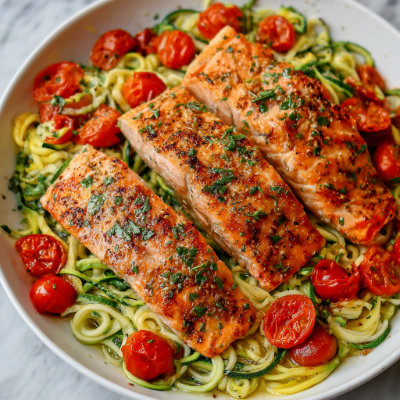
1. Salmon Zucchini Noodles
Why It’s Great
Salmon (570 IU vitamin D per 100g) supports bone health and immunity, addressing deficiencies in ~40% of adults [1].
Ingredients
- 2 salmon fillets
- 2 zucchini, spiralized
- 1 cup cherry tomatoes, halved
- 2 tbsp olive oil
- 1 tsp garlic powder
Instructions
Grill salmon for 4 minutes per side. Sauté zucchini noodles and tomatoes in olive oil with garlic powder for 5 minutes. Top with salmon. Serves 2.
Nutrient Highlight
Rich in vitamin D (~1140 IU) and omega-3s (~1g from salmon) for bone and heart health [2].
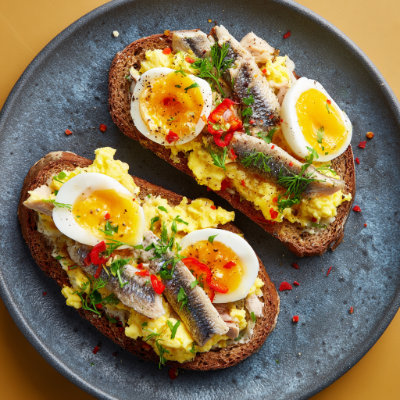
2. Egg Sardine Toast
Why It’s Great
Eggs (41 IU vitamin D per yolk) and sardines (191 IU per 100g) provide vitamin D, supporting bone health and immunity [1].
Ingredients
- 4 eggs
- 1 can sardines
- 2 slices whole-grain bread
- 1 tbsp olive oil
- Pinch of black pepper
Instructions
Scramble eggs in olive oil. Toast bread, top with eggs and sardines, and season with pepper. Serves 2.
Nutrient Highlight
Provides vitamin D (~546 IU) and protein (~24g from eggs) for bone and muscle health [3].
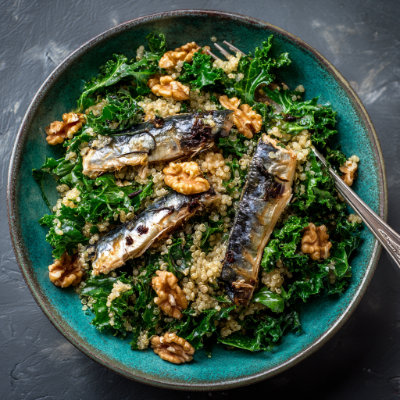
3. Mackerel Kale Bowl
Why It’s Great
Mackerel (643 IU vitamin D per 100g) supports bone health and immunity, ideal for nutrient-dense meals [1].
Ingredients
- 1 can mackerel
- 2 cups kale
- 1 cup quinoa
- 1/4 cup walnuts, chopped
- 2 tbsp olive oil dressing
Instructions
Cook quinoa in 2 cups water for 15 minutes. Sauté kale in olive oil, toss with quinoa and walnuts, and top with mackerel. Serves 2.
Nutrient Highlight
High in vitamin D (~1286 IU) and omega-3s (~1g from mackerel) for bone and heart health [4].

4. Mushroom Egg Muffins
Why It’s Great
UV-exposed mushrooms (up to 400 IU vitamin D per 100g) and eggs (41 IU per yolk) support bone health, ideal for breakfast [1].
Ingredients
- 4 eggs
- 1 cup UV-exposed mushrooms
- 1 cup spinach
- 1/4 cup cheddar cheese, shredded
- 1 tbsp olive oil
Instructions
Sauté mushrooms and spinach in olive oil. Whisk eggs, mix with vegetables and cheese, pour into muffin tins, and bake at 350°F for 15 minutes. Serves 2.
Nutrient Highlight
Provides vitamin D (~564 IU) and protein (~24g from eggs) for bone and muscle health [5].
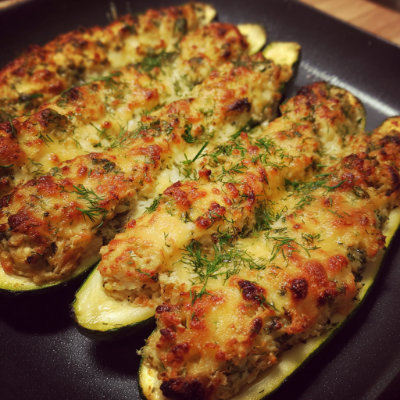
5. Tuna Zucchini Boats
Why It’s Great
Tuna (270 IU vitamin D per 100g) supports bone health and immunity, addressing deficiencies in quick meals [1].
Ingredients
- 1 can tuna
- 2 zucchini, halved
- 1/4 cup cheddar cheese, shredded
- 1 tbsp olive oil
- 1 tsp dried dill
Instructions
Scoop out zucchini centers, mix tuna with dill, fill zucchini, top with cheese, and bake at 375°F for 20 minutes. Serves 2.
Nutrient Highlight
High in vitamin D (~540 IU) and protein (~25g from tuna) for bone and muscle health [6].
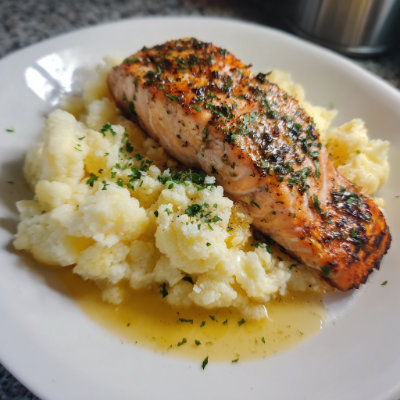
6. Salmon Cauliflower Mash
Why It’s Great
Salmon (570 IU vitamin D per 100g) supports bone health and immunity, ideal for low-carb diets [1].
Ingredients
- 2 salmon fillets
- 1 head cauliflower, chopped
- 2 tbsp olive oil
- 1 tbsp lemon juice
- 1 tsp garlic powder
Instructions
Boil cauliflower until soft, mash with olive oil and garlic powder. Grill salmon for 4 minutes per side, drizzle with lemon juice, and serve with mash. Serves 2.
Nutrient Highlight
Rich in vitamin D (~1140 IU) and omega-3s (~1g from salmon) for bone and heart health [7].
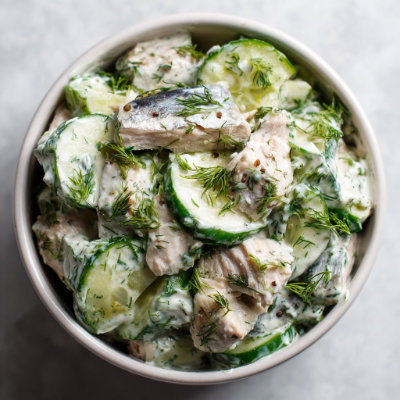
7. Mackerel Cucumber Salad
Why It’s Great
Mackerel (643 IU vitamin D per 100g) and Greek yogurt (probiotics) support bone health and digestion [1].
Ingredients
- 1 can mackerel
- 1 cucumber, sliced
- 1/2 cup Greek yogurt
- 1 tbsp lemon juice
- 1 tsp dried dill
Instructions
Mix Greek yogurt, lemon juice, and dill for dressing. Toss cucumber and mackerel with dressing. Serves 2.
Nutrient Highlight
High in vitamin D (~1286 IU) and probiotics for bone and digestive health [8].

8. Egg Mushroom Frittata
Why It’s Great
Eggs (41 IU vitamin D per yolk) and UV-exposed mushrooms (up to 400 IU per 100g) support bone health, ideal for brunch [1].
Ingredients
- 4 eggs
- 1 cup UV-exposed mushrooms
- 1/4 cup feta cheese, crumbled
- 1 tbsp olive oil
- Pinch of black pepper
Instructions
Sauté mushrooms in olive oil. Whisk eggs, pour over mushrooms, add feta, and cook on low until set. Finish under broiler for 2 minutes. Serves 2.
Nutrient Highlight
Provides vitamin D (~564 IU) and protein (~24g from eggs) for bone and muscle health [9].
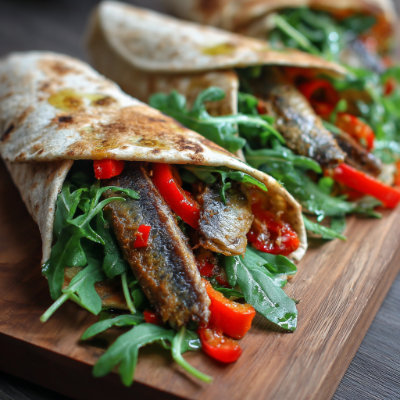
9. Sardine Bell Pepper Wrap
Why It’s Great
Sardines (191 IU vitamin D per 100g) support bone health and immunity, addressing deficiencies [1].
Ingredients
- 1 can sardines
- 1 red bell pepper, sliced
- 1 cup arugula
- 2 whole-grain tortillas
- 2 tbsp olive oil dressing
Instructions
Mix sardines, bell pepper, and arugula. Spread on tortillas, drizzle with olive oil, and wrap. Serves 2.
Nutrient Highlight
High in vitamin D (~382 IU) and omega-3s (~1g from sardines) for bone and heart health [10].
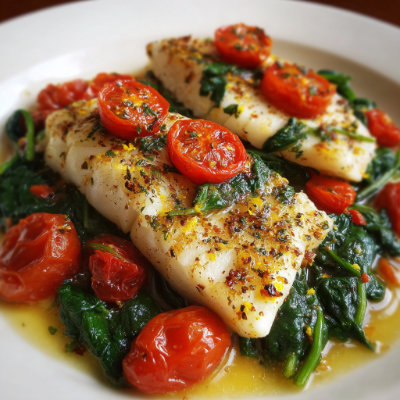
10. Cod Spinach Skillet
Why It’s Great
Cod (220 IU vitamin D per 100g) and spinach (magnesium) support bone health and muscle function [1].
Ingredients
- 2 cod fillets
- 2 cups spinach
- 1/4 cup cherry tomatoes, halved
- 2 tbsp olive oil
- 1 tsp lemon zest
Instructions
Sauté spinach and tomatoes in olive oil. Add cod, sprinkle with lemon zest, and cook for 5 minutes per side. Serves 2.
Nutrient Highlight
High in vitamin D (~440 IU) and magnesium (~80mg from spinach) for bone and muscle health [11].
Tips for Success
- Vitamin D is hard to get from food alone. Fatty fish (salmon, mackerel, sardines), egg yolks, fortified milk, and UV-exposed mushrooms are your dietary options — most people still fall short without sunlight or supplementation.
- It's fat-soluble — eat it with fat. Egg yolks alongside avocado, salmon with olive oil, or fortified milk with whole-fat dairy all improve absorption compared to fat-free versions.
- Sun exposure matters. 10-30 minutes of midday sun on bare arms and legs (without sunscreen) several times a week makes a real difference — though latitude, skin tone, and season affect how much is enough.
- Vitamin D works best with magnesium and K2. Magnesium activates vitamin D in the body; K2 helps direct the calcium it absorbs to bones (not arteries). A varied whole-food diet covers both.
Disclaimer
This content is for educational purposes. Consult a healthcare professional before making dietary changes.
Consult a dietitian before major dietary changes.
References
- [1] National Institutes of Health, Office of Dietary Supplements. (2025). Vitamin D — Health Professional Fact Sheet. https://ods.od.nih.gov/factsheets/VitaminD-HealthProfessional/
- [2] Holick, M. F. (2017). The vitamin D deficiency pandemic: Approaches for diagnosis, treatment, and prevention. The Journal of Clinical Endocrinology & Metabolism, 102(11), 3875–3883. https://doi.org/10.1210/jc.2017-01658
- [3] Autier, P., & Boniol, M. (2018). Vitamin D: Impact on health. Endocrinology and Metabolism Clinics of North America, 47(4), 715–733. https://doi.org/10.1016/j.ecl.2018.07.002
- [4] Schmid, A., & Walther, B. (2013). Natural vitamin D content in animal products. Advances in Nutrition, 4(4), 453–462. https://doi.org/10.3945/an.113.003780
- [5] Lu, Z., Chen, T. C., Zhang, A., et al. (2007). An evaluation of the vitamin D3 content in fish: Is the vitamin D content adequate to satisfy dietary requirement? The Journal of Steroid Biochemistry and Molecular Biology, 103(3–5), 642–644. https://doi.org/10.1016/j.jsbmb.2006.12.010
- [6] Chen, J., et al. (2018). Vitamin D content in wild and farmed fish and their contribution to vitamin D intake. Food Chemistry, 246, 109–115. https://doi.org/10.1016/j.foodchem.2017.10.142
- [7] Phillips, K. M., et al. (2011). Vitamin D in commonly consumed foods: Content, processing, and stability. Journal of Food Composition and Analysis, 24(6), 791–798. https://doi.org/10.1016/j.jfca.2011.03.013
- [8] Cardwell, G., Bornman, J. F., James, A. P., & Black, L. J. (2018). A review of mushrooms as a potential source of dietary vitamin D. Nutrients, 10(10), 1498. https://doi.org/10.3390/nu10101498

Health Through Knowledge