Your Essential Nutrients Guide with NutrientShield
Welcome to NutrientShield, where our motto, Health Through Knowledge, empowers you to thrive through science-backed nutrition. Essential nutrients — macronutrients, micronutrients, amino acids, and other key compounds — are the foundation of vitality, supporting energy, immunity, and overall wellness.1 Yet nutrient deficiencies are remarkably common, affecting millions of people whose modern diets fall short on whole foods.2
Our comprehensive guides on macronutrients, minerals, vitamins, amino acids, and other key compounds give you the knowledge to spot deficiencies, optimize your intake, and live healthier. Whether you're battling fatigue, training for peak performance, or exploring a plant-based diet, our resources meet you where you are.
To put that knowledge into practice, NutrientShield includes a full toolkit:
- Nutrient Calculator — Enter the foods you eat and see exactly what nutrients they contain, what you're getting enough of, and where you fall short.
- Trends — Track your nutrient intake over time. See what you're consistently consuming, what you're missing, and what hazardous additives you may be unknowingly eating.
- Food Diary — Log your meals day by day to build a complete picture of your nutrition.
- NutriBot AI — Ask nutrition questions and get personalized answers, plus curated recipes tailored to your goals.
Explore Essential Nutrients
Macro-Nutrients
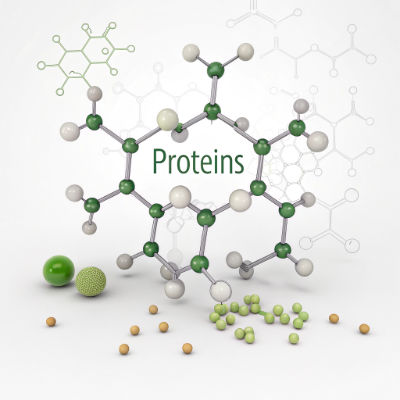
Carbohydrates, proteins, and fats fuel your body. ~90% of adults lack sufficient fiber, ~7.7% of elderly are low on protein, and >90% miss omega-3 targets, risking digestive issues, muscle loss, and heart disease.3 Learn to balance carbs (45–65%), proteins (10–35%), and fats (20–35%) with whole foods like quinoa, chicken, and olive oil.4
Discover Macro-Nutrients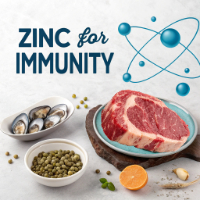
Micro-Minerals
Minerals like calcium (~44% deficient), magnesium (~52% deficient), and potassium (100% below AI) support bones, nerves, and heart health.5 At-risk groups include teenage girls, elderly, and vegans. Boost intake with dairy, nuts, and leafy greens to prevent osteoporosis and hypertension.6
Explore Micro-Minerals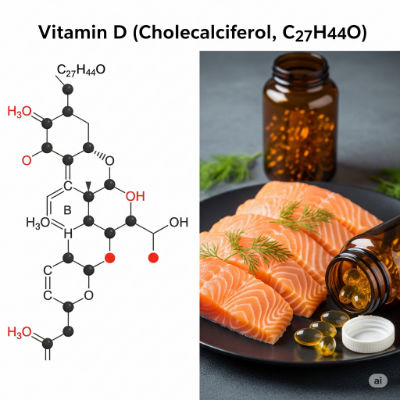
Micro-Vitamins
Vitamins D (>90% low), B12 (~20% elderly deficient), and C (~6% deficient) are critical for immunity, bones, and energy.7 Smokers, vegans, and those with low sun exposure are at risk. Include fish, eggs, and citrus to combat fatigue and neurological issues.8
Learn About Micro-Vitamins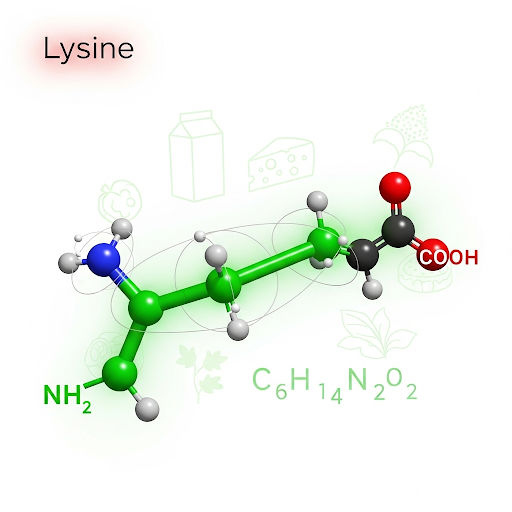
Amino Acids
Essential amino acids (e.g., leucine, lysine) from complete proteins like meat, soy, and quinoa are vital for muscle and immunity.9 ~10–20% of vegans and elderly have low intake, risking sarcopenia. Try recipes like Moringa Dal or Quinoa Stew to boost EAAs.10
Dive into Amino Acids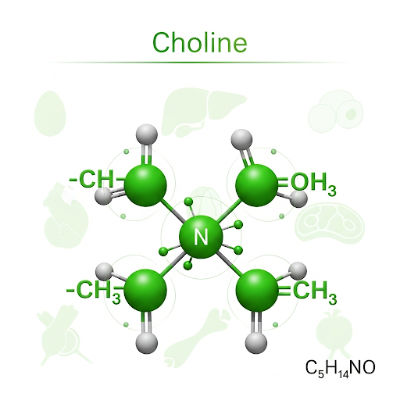
Other Nutrients
Choline (~90% low), antioxidants, and fluoride support liver, cellular, and dental health.11 General populations and smokers are at risk for deficiencies, leading to cognitive decline and oxidative stress. Include eggs, fruits, and fluoridated water.12
Explore Other Nutrients
Medicinal Mushrooms
Medicinal mushrooms—nature's ancient healers—have been revered for millennia in traditional Chinese and Japanese medicine for their profound health benefits. From immune modulation to cognitive enhancement and emerging roles in mental health and cancer therapy, these fungi are packed with bioactive compounds like beta-glucans, triterpenes, and alkaloids.
World of Medicinal MushroomsIn-Depth: Macro-Nutrients
Macronutrients—carbohydrates, proteins, and fats—are the foundation of a healthy diet, fueling your body for energy, growth, and vitality. At NutrientShield, we're here to help you understand these essential nutrients, optimize your intake, and make informed choices for lasting wellness.1 Whether you're an athlete, a busy professional, or simply aiming to feel your best, balancing macronutrients is key to achieving your health goals.
What Are Macronutrients?
Macronutrients are nutrients your body needs in large amounts to function properly. Each provides energy (measured in calories) and serves unique roles:2
- Carbohydrates: Primary energy source (4 kcal/g), fueling your brain, muscles, and daily activities.
- Proteins: Building blocks (4 kcal/g) for muscles, enzymes, and immune function.
- Fats: Concentrated energy source (9 kcal/g), supporting cell function and nutrient absorption.
The USDA recommends 45–65% of daily calories from carbs, 10–35% from protein, and 20–35% from fat, tailored to your age, activity, and goals.3
Carbohydrates: Your Energy Source
Carbohydrates are broken down into glucose, powering everything from your morning jog to mental focus. They come in two forms:4
- Simple Carbs: Found in fruits and sugars, provide quick energy but may spike blood sugar.
- Complex Carbs: Found in whole grains, legumes, and vegetables, offer sustained energy and fiber for digestion.
Adults need at least 130 g/day of carbs, with athletes requiring 6–10 g/kg body weight.5 Choose complex carbs like quinoa or oats to stabilize blood sugar and reduce chronic disease risk.6
Proteins: Building and Repairing
Proteins are made of amino acids, essential for muscle repair, immune health, and hormone production. Complete proteins (e.g., eggs, fish) provide all nine essential amino acids, while plant-based sources (e.g., beans, tofu) can be combined for balance.7
Adults need 0.8 g/kg body weight daily, with active individuals requiring 1.2–2.0 g/kg.8 A high-protein diet enhances satiety, aiding weight management.9
Fats: Essential for Health
Fats support cell membranes, hormone synthesis, and absorption of vitamins A, D, E, and K. Types include:10
- Unsaturated Fats: Found in olive oil, avocados, and salmon, promote heart health.
- Saturated Fats: Found in butter and red meat, should be limited to <10% of calories.
- Trans Fats: Found in processed foods, should be avoided.
Fats should comprise 20–35% of calories, with unsaturated fats prioritized.3
Balancing Your Macros
A balanced macronutrient intake supports energy, weight management, and disease prevention. A 2020 study found diets with 50–55% carbs linked to lower mortality.11 Use this table to guide your daily intake:
| Macronutrient | Recommended % of Calories | Grams per Day (2000 kcal diet) |
|---|---|---|
| Carbohydrates | 45–65% | 225–325 g |
| Proteins | 10–35% | 50–175 g |
| Fats | 20–35% | 44–78 g |
Track macros using apps like MyFitnessPal or consult a dietitian for personalized ratios.
Practical Tips for Macronutrient Success
- Prioritize Whole Foods: Choose oats, chicken, and avocados over processed options.
- Plan Meals: Prep balanced meals with 1/3 carbs, 1/3 protein, and 1/3 fats.
- Adjust for Goals: Increase protein for muscle gain or carbs for endurance.
- Stay Hydrated: Water supports nutrient metabolism.
Why Nutrients Matter
Nutrients power every bodily function, from muscle repair to brain health. Modern diets, high in processed foods, contribute to widespread deficiencies—e.g., 100% of adults miss potassium goals, and >90% lack optimal vitamin D.13 These gaps increase risks of chronic diseases like heart disease, osteoporosis, and diabetes.14 At NutrientShield, our guides offer practical tips, from choosing whole foods (e.g., salmon for omega-3s, spinach for magnesium) to balancing macros for your goals.15
Start Your Journey: Dive into our guides for science-backed insights and practical tips. Whether you're boosting protein with tofu or adding chia seeds for fiber, NutrientShield is here to guide you. Explore more at Macro-Nutrients, Micro-Minerals, Micro-Vitamins, Amino-Acids, and Other-Nutrients.
Disclaimer: This information is for educational purposes only and not a substitute for medical advice. Consult a healthcare professional before making dietary changes or starting supplements.
References
- NutrientShield. (n.d.). Macro-Nutrients. https://nutrientshield.com/Macro-Nutrients
- Venn, B. J. (2020). Macronutrients and human health for the 21st century. Nutrients, 12(8), 2363. https://www.ncbi.nlm.nih.gov/pmc/articles/PMC7468865/
- Dietary Guidelines for Americans, 2020–2025. (2020). U.S. Department of Agriculture. https://www.dietaryguidelines.gov/sites/default/files/2020-12/Dietary_Guidelines_for_Americans_2020-2025.pdf
- Slavin, J. (2013). Carbohydrates and health: An overview. Nutrition Reviews, 71(Suppl 1), S1–S5. https://doi.org/10.1111/nure.12055
- Thomas, D. T., et al. (2016). Position of the Academy of Nutrition and Dietetics: Nutrition and athletic performance. Journal of the Academy of Nutrition and Dietetics, 116(3), 501–528. https://doi.org/10.1016/j.jand.2015.12.006
- Reynolds, A., et al. (2019). Carbohydrate quality and human health: A series of systematic reviews and meta-analyses. The Lancet, 393(10170), 434–445. https://doi.org/10.1016/S0140-6736(18)31809-9
- Carreiro, A. L., et al. (2016). The macronutrients, appetite, and energy intake. Annual Review of Nutrition, 36, 73–103. https://www.ncbi.nlm.nih.gov/pmc/articles/PMC4960974/
- Phillips, S. M. (2017). Current concepts and unresolved questions in dietary protein requirements and supplements in adults. Frontiers in Nutrition, 4, 13. https://doi.org/10.3389/fnut.2017.00013
- Leidy, H. J., et al. (2015). The role of protein in weight loss and maintenance. American Journal of Clinical Nutrition, 101(6), 1320S–1329S. https://doi.org/10.3945/ajcn.114.084038
- Liu, S., et al. (2018). Dietary fats and cardiovascular disease: A presidential advisory. Circulation, 138(2), e1–e23. https://doi.org/10.1161/CIR.0000000000000581
- Cena, H., & Calder, P. C. (2020). Defining a healthy diet: Evidence for the role of contemporary dietary patterns in health and disease. Nutrients, 12(2), 334. https://www.ncbi.nlm.nih.gov/pmc/articles/PMC7071223/