Introduction
Protein is essential for muscle growth, repair, and overall health. At NutrientShield, we’ve curated 10 delicious, science-backed high-protein recipes to help you meet your protein needs and support recovery, especially for active individuals. Each recipe includes nutrient profiles, preparation steps, and affiliate links to recommended ingredients. Disclosure: We may earn a commission from purchases made via affiliate links.
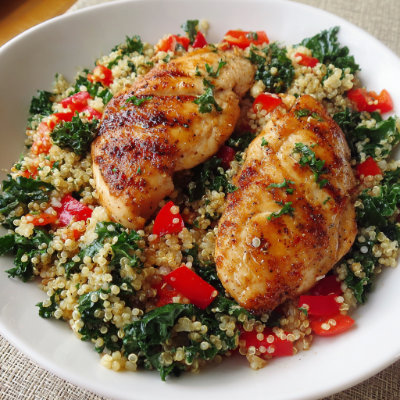
1. Chicken Quinoa Power Bowl
Why It’s Great
Chicken (26g protein per 100g) and quinoa (14g per cup) provide high-quality protein for muscle repair, addressing needs in active populations [1].
Ingredients
- 2 chicken breasts
- 1 cup quinoa
- 1 cup kale
- 1 red bell pepper, diced
- 2 tbsp olive oil dressing
Instructions
Grill chicken for 6 minutes per side. Cook quinoa in 2 cups water for 15 minutes. Toss with kale, bell pepper, and olive oil. Serves 2.
Nutrient Highlight
Provides protein (~60g) and vitamin K (~500µg from kale) for muscle recovery and blood clotting [2].
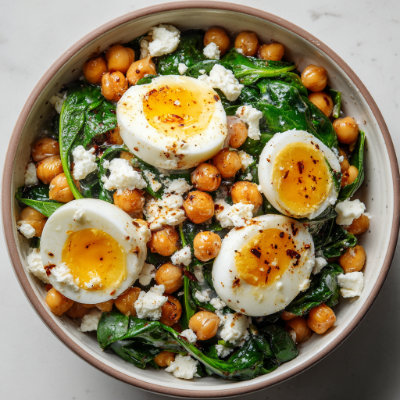
2. Egg and Chickpea Salad
Why It’s Great
Eggs (6g protein per egg) and chickpeas (15g per cup) support muscle growth, addressing protein deficiencies in ~10% of adults [1].
Ingredients
- 4 eggs, boiled
- 1 can chickpeas
- 2 cups spinach
- 1/4 cup feta cheese
- 2 tbsp olive oil dressing
Instructions
Cook chickpeas as per can instructions. Slice eggs and toss with chickpeas, spinach, feta, and olive oil. Serves 2.
Nutrient Highlight
Rich in protein (~33g) and fiber (~10g from chickpeas) for muscle and gut health [3].
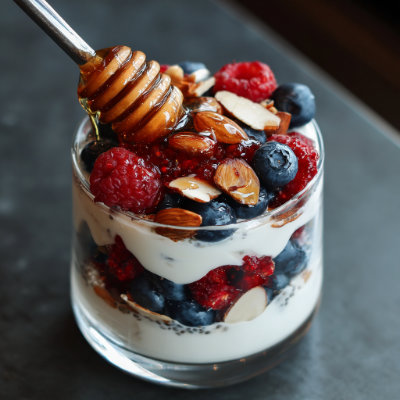
3. Greek Yogurt Berry Parfait
Why It’s Great
Greek yogurt (20g protein per cup) and almonds (7g per 1/4 cup) support muscle recovery, ideal for post-workout nutrition [1].
Ingredients
- 1 cup Greek yogurt
- 1/2 cup mixed berries
- 1/4 cup almonds, chopped
- 1 tbsp honey
- 1 tbsp chia seeds
Instructions
Layer yogurt, berries, almonds, and chia seeds in a glass. Drizzle with honey. Serves 2.
Nutrient Highlight
High in protein (~25g) and probiotics for muscle and digestive health [4].
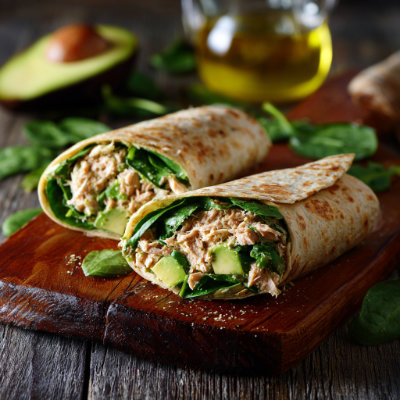
4. Tuna Spinach Wrap
Why It’s Great
Tuna (25g protein per 100g) and avocado (healthy fats) support muscle repair and satiety, addressing protein needs [1].
Ingredients
- 1 can tuna
- 1 avocado, sliced
- 2 cups spinach
- 2 whole-grain tortillas
- 2 tbsp olive oil dressing
Instructions
Mix tuna, avocado, and spinach. Spread on tortillas, drizzle with olive oil, and wrap. Serves 2.
Nutrient Highlight
Provides protein (~30g) and omega-3s (~0.5g from tuna) for muscle health and inflammation reduction [5].
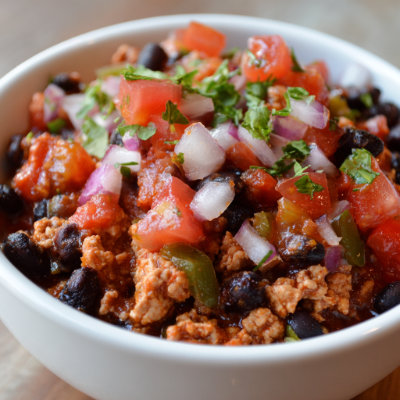
5. Turkey Black Bean Chili
Why It’s Great
Turkey (28g protein per 100g) and black beans (15g per cup) provide high protein for muscle repair, addressing deficiencies [1].
Ingredients
- 1/2 lb ground turkey
- 1 can black beans
- 2 tomatoes, diced
- 1 onion, chopped
- 1 tbsp chili powder
Instructions
Sauté onion and turkey, add beans, tomatoes, and chili powder. Simmer for 20 minutes. Serves 2.
Nutrient Highlight
High in protein (~45g) and fiber (~15g from beans) for muscle and gut health [6].
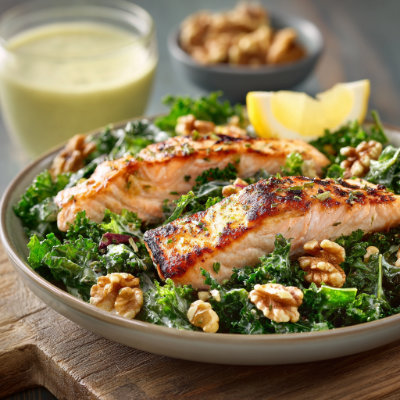
6. Salmon Kale Salad
Why It’s Great
Salmon (25g protein per 100g) and kale (vitamin K) support muscle recovery and bone health, ideal for active lifestyles [1].
Ingredients
- 2 salmon fillets
- 2 cups kale
- 1/4 cup walnuts, chopped
- 2 tbsp olive oil dressing
- 1 tbsp lemon juice
Instructions
Grill salmon for 4 minutes per side. Toss kale, walnuts, olive oil, and lemon juice. Top with salmon. Serves 2.
Nutrient Highlight
Rich in protein (~50g) and omega-3s (~1g from salmon) for muscle repair and inflammation reduction [7].
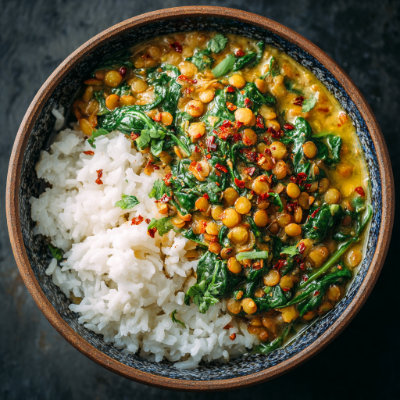
7. Lentil Spinach Curry
Why It’s Great
Lentils (18g protein per cup) provide plant-based protein, supporting muscle repair for vegetarians [1].
Ingredients
- 1 cup lentils
- 2 cups spinach
- 1 cup coconut milk
- 1 tbsp curry powder
- 1 cup cooked rice
Instructions
Sauté lentils and spinach with curry powder, add coconut milk, and simmer for 15 minutes. Serve over rice. Serves 2.
Nutrient Highlight
High in protein (~20g) and fiber (~15g from lentils) for muscle and gut health [8].
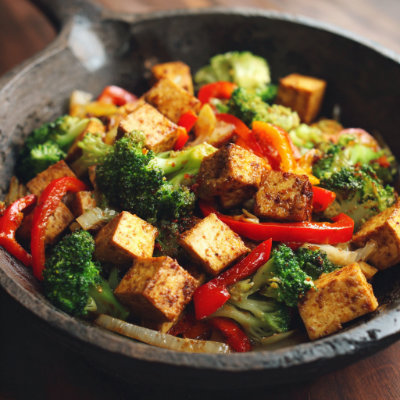
8. Tofu Broccoli Stir-Fry
Why It’s Great
Tofu (10g protein per 100g) and broccoli (vitamin C) support muscle repair and immunity, ideal for plant-based diets [1].
Ingredients
- 1 block tofu, cubed
- 1 cup broccoli, chopped
- 1 bell pepper, sliced
- 2 tbsp soy sauce
- 2 tbsp olive oil dressing
Instructions
Stir-fry tofu, broccoli, and bell pepper in olive oil. Add soy sauce and cook for 10 minutes. Serves 2.
Nutrient Highlight
Provides protein (~20g) and vitamin C (~80mg from broccoli) for muscle and immune health [9].
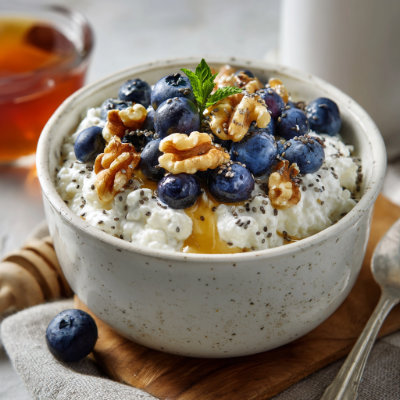
9. Cottage Cheese Fruit Bowl
Why It’s Great
Cottage cheese (20g protein per cup) supports muscle growth, addressing protein needs in active individuals [1].
Ingredients
- 1 cup cottage cheese
- 1/2 cup blueberries
- 1/4 cup walnuts, chopped
- 1 tbsp honey
- 1 tbsp chia seeds
Instructions
Mix cottage cheese, blueberries, walnuts, and chia seeds. Drizzle with honey. Serves 2.
Nutrient Highlight
High in protein (~25g) and calcium (~200mg from cottage cheese) for muscle and bone health [10].
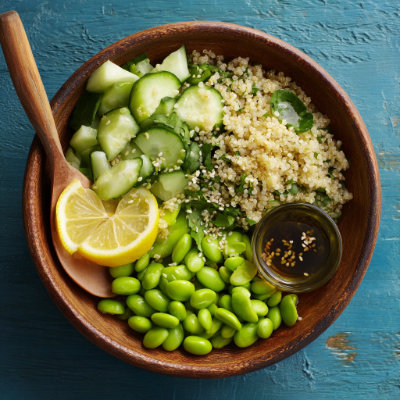
10. Edamame Quinoa Salad
Why It’s Great
Edamame (11g protein per cup) and quinoa (14g per cup) provide plant-based protein, supporting muscle repair [1].
Ingredients
- 1 cup edamame, shelled
- 1 cup quinoa
- 1 cucumber, diced
- 2 tbsp olive oil dressing
- 1 tbsp lemon juice
Instructions
Cook quinoa in 2 cups water for 15 minutes. Toss with edamame, cucumber, olive oil, and lemon juice. Serves 2.
Nutrient Highlight
High in protein (~25g) and fiber (~8g from edamame) for muscle and gut health [11].
Tips for Success
- Spread protein across the day. Your body uses about 25-35g of protein per meal for muscle synthesis — 30g at three meals beats 90g in one sitting for both muscle building and satiety.
- Complete vs. incomplete is mostly outdated. A varied plant-based diet covers all essential amino acids over the course of a day — you don't need to combine specific foods at each meal anymore.
- Older adults need more. Research suggests adults over 65 benefit from 1.0-1.2g/kg of body weight per day (vs. the standard 0.8g/kg) to offset age-related muscle loss.
- Pair protein with fiber-rich carbs. Lentils, beans, and whole grains deliver protein along with fiber, sustained energy, and B vitamins — a more complete package than protein isolated from supplements.
Disclaimer
This content is for educational purposes. Consult a healthcare professional before making dietary changes.
Consult a dietitian before major dietary changes.
References
- [1] NIH MedlinePlus. (2025). Dietary Proteins — Health Information. https://medlineplus.gov/dietaryproteins.html
- [2] Phillips, S. M. (2017). Dietary Protein Requirements in Adults. Frontiers in Nutrition, 4, 13. https://doi.org/10.3389/fnut.2017.00013
- [3] Young, V. R., & Pellett, P. L. (1994). Plant Proteins and Amino Acid Nutrition. American Journal of Clinical Nutrition, 59(5), 1203S–1212S. https://doi.org/10.1093/ajcn/59.5.1203S
- [4] Mariotti, F., & Gardner, C. D. (2019). Dietary Protein and Amino Acids in Vegetarian Diets—A Review. Nutrients, 11(11), 2661. https://doi.org/10.3390/nu11112661
- [5] Fulgoni, V. L. (2008). Current protein intake in America: Analysis of the National Health and Nutrition Examination Survey, 2003–2004. American Journal of Clinical Nutrition, 87(5), 1554S–1557S. https://doi.org/10.1093/ajcn/87.5.1554S
- [6] Boirie, Y., et al. (1997). Slow and fast dietary proteins differently modulate postprandial protein accretion. Proceedings of the National Academy of Sciences, 94(26), 14930–14935. https://doi.org/10.1073/pnas.94.26.14930
- [7] USDA-based nutritional analyses summarized in: U.S. Department of Agriculture, Agricultural Research Service. (2019). USDA National Nutrient Database for Standard Reference. https://www.ars.usda.gov/northeast-area/beltsville-md-bhnrc/beltsville-human-nutrition-research-center/
- [8] Murphy, M. M., et al. (2012). Protein content and amino acid composition of commonly consumed animal and plant foods in the United States. Journal of Food Composition and Analysis, 27(1), 1–12. https://doi.org/10.1016/j.jfca.2012.01.001

Health Through Knowledge