Introduction
Vitamin B complex, including B6, B12, and folate, is crucial for energy production, brain health, and red blood cell formation. At NutrientShield, we’ve curated 10 delicious, science-backed high-vitamin B complex recipes to help you address common deficiencies and optimize your diet, especially for active individuals or those with dietary restrictions. Each recipe includes nutrient profiles, preparation steps, and affiliate links to recommended ingredients. Disclosure: We may earn a commission from purchases made via affiliate links.
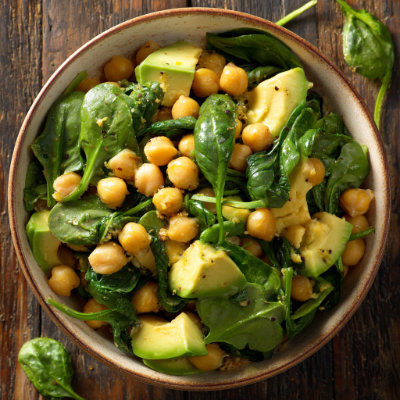
1. Chickpea Avocado Bowl
Why It’s Great
Chickpeas (0.5 mg B6 per cup) and spinach (243 µg folate per cup) support energy and brain health, addressing deficiencies in ~10% of adults [1].
Ingredients
- 1 can chickpeas
- 1 avocado, diced
- 2 cups spinach
- 1 tbsp olive oil
- 1 tsp lemon juice
Instructions
Cook chickpeas as per can instructions. Toss with avocado, spinach, olive oil, and lemon juice. Serves 2.
Nutrient Highlight
Rich in B6 (~0.5 mg), folate (~243 µg from spinach), and fiber (~10g from chickpeas) for energy and brain health [2].
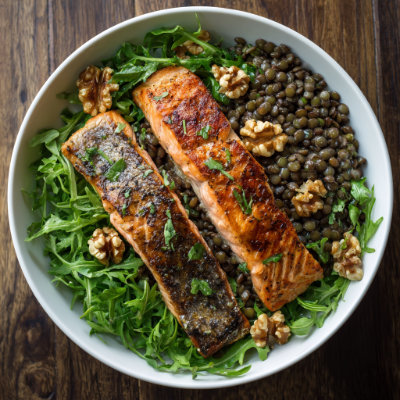
2. Salmon Lentil Salad
Why It’s Great
Salmon (0.8 µg B12 per 100g) and lentils (181 µg folate per cup) support red blood cell formation and energy, addressing deficiencies [1].
Ingredients
- 2 salmon fillets
- 1 cup lentils
- 2 cups arugula
- 1/4 cup walnuts, chopped
- 2 tbsp olive oil dressing
Instructions
Cook lentils in 2 cups water for 20 minutes. Grill salmon for 4 minutes per side. Toss lentils, arugula, walnuts, and olive oil. Top with salmon. Serves 2.
Nutrient Highlight
Provides B12 (~1.6 µg), folate (~181 µg from lentils), and omega-3s (~1g from salmon) for brain and heart health [3].
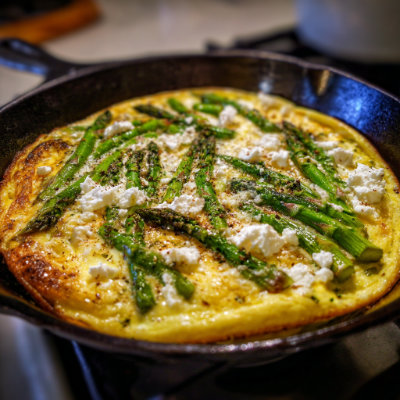
3. Egg Asparagus Frittata
Why It’s Great
Eggs (0.6 µg B12 per egg) and asparagus (64 µg folate per cup) support energy and brain health, ideal for breakfast [1].
Ingredients
- 4 eggs
- 1 cup asparagus, chopped
- 1/4 cup feta cheese, crumbled
- 1 tbsp olive oil
- Pinch of black pepper
Instructions
Sauté asparagus in olive oil. Whisk eggs, pour over asparagus, add feta, and cook on low until set. Finish under broiler for 2 minutes. Serves 2.
Nutrient Highlight
High in B12 (~2.4 µg) and folate (~64 µg from asparagus) for energy and red blood cell health [4].
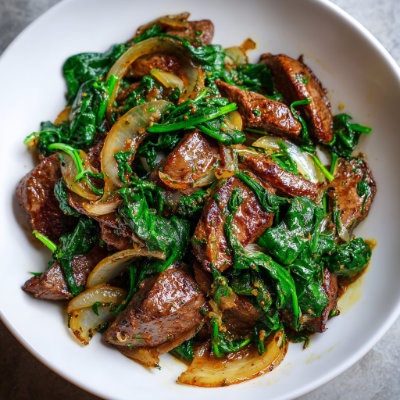
4. Liver Spinach Skillet
Why It’s Great
Beef liver (59 µg B12 per 100g) and spinach (243 µg folate per cup) support brain health and energy, addressing deficiencies [1].
Ingredients
- 1/2 lb beef liver
- 2 cups spinach
- 1 onion, sliced
- 2 tbsp olive oil
- 1 tsp garlic powder
Instructions
Sauté onion and liver in olive oil for 5 minutes per side. Add spinach and garlic powder, cook until wilted. Serves 2.
Nutrient Highlight
Rich in B12 (~59 µg), folate (~243 µg from spinach), and iron (~5mg from liver) for energy and blood health [5].
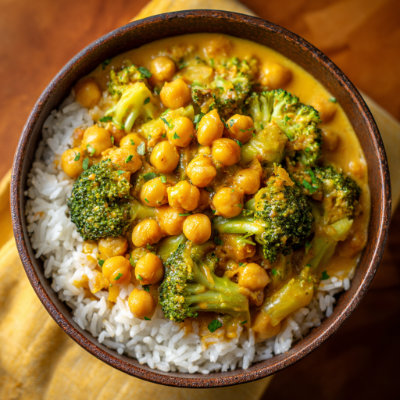
5. Chickpea Broccoli Curry
Why It’s Great
Chickpeas (0.5 mg B6 per cup) and broccoli (78 µg folate per cup) support energy and brain health, ideal for plant-based diets [1].
Ingredients
- 1 can chickpeas
- 1 cup broccoli, chopped
- 1 cup coconut milk
- 1 tbsp curry powder
- 1 cup cooked rice
Instructions
Sauté chickpeas and broccoli with curry powder, add coconut milk, and simmer for 15 minutes. Serve over rice. Serves 2.
Nutrient Highlight
High in B6 (~0.5 mg), folate (~78 µg from broccoli), and fiber (~10g from chickpeas) for energy and gut health [6].
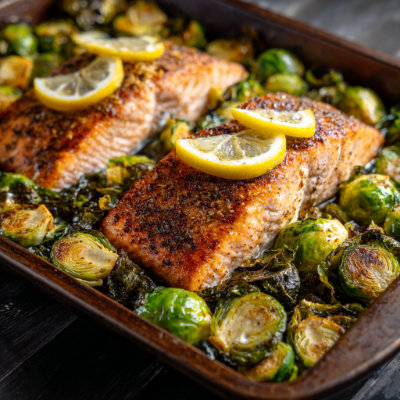
6. Salmon Brussels Sprouts Roast
Why It’s Great
Salmon (0.8 µg B12 per 100g) and Brussels sprouts (60 µg folate per cup) support brain health and energy, ideal for dinner [1].
Ingredients
- 2 salmon fillets
- 2 cups Brussels sprouts, halved
- 2 tbsp olive oil
- 1 tbsp lemon juice
- 1 tsp garlic powder
Instructions
Toss Brussels sprouts with olive oil and garlic powder, roast at 400°F for 15 minutes. Add salmon, roast for 10 more minutes, and drizzle with lemon juice. Serves 2.
Nutrient Highlight
Rich in B12 (~1.6 µg), folate (~60 µg from Brussels sprouts), and omega-3s (~1g from salmon) for brain and heart health [7].
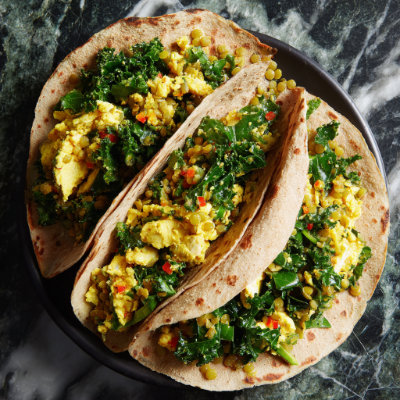
7. Egg Lentil Wrap
Why It’s Great
Eggs (0.6 µg B12 per egg) and lentils (181 µg folate per cup) support energy and red blood cell formation, ideal for quick meals [1].
Ingredients
- 4 eggs
- 1 cup lentils
- 2 cups kale
- 2 whole-grain tortillas
- 2 tbsp olive oil dressing
Instructions
Cook lentils in 2 cups water for 20 minutes. Scramble eggs with kale in olive oil. Spread lentils and egg mixture on tortillas and wrap. Serves 2.
Nutrient Highlight
High in B12 (~2.4 µg) and folate (~181 µg from lentils) for energy and brain health [8].
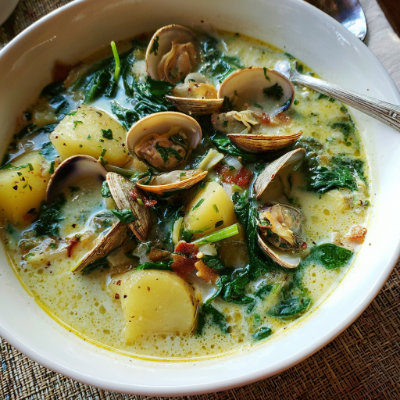
8. Clam Spinach Chowder
Why It’s Great
Clams (22 µg B12 per 100g) and spinach (243 µg folate per cup) support brain health and energy, addressing deficiencies [1].
Ingredients
- 1 can clams
- 2 cups spinach
- 1 cup coconut milk
- 1 potato, diced
- 1 tbsp olive oil
Instructions
Sauté potato in olive oil until soft. Add clams, spinach, and coconut milk, simmer for 10 minutes. Serves 2.
Nutrient Highlight
Rich in B12 (~22 µg), folate (~243 µg from spinach), and protein (~20g from clams) for energy and brain health [9].
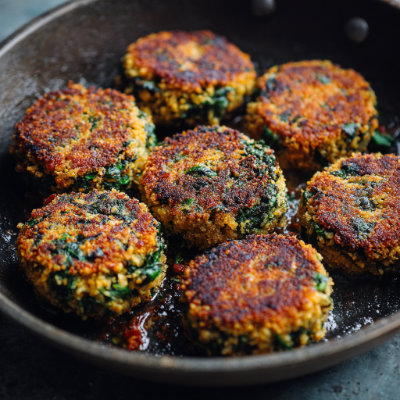
9. Chickpea Spinach Patties
Why It’s Great
Chickpeas (0.5 mg B6 per cup) and spinach (243 µg folate per cup) support energy and brain health, ideal for plant-based diets [1].
Ingredients
- 1 can chickpeas
- 2 cups spinach
- 1/4 cup breadcrumbs
- 2 tbsp olive oil
- 1 tsp cumin
Instructions
Blend chickpeas and spinach, mix with breadcrumbs and cumin, form patties, and fry in olive oil for 4 minutes per side. Serves 2.
Nutrient Highlight
High in B6 (~0.5 mg), folate (~243 µg from spinach), and fiber (~10g from chickpeas) for energy and gut health [10].
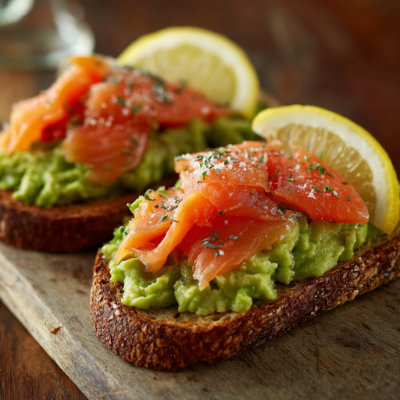
10. Salmon Avocado Toast
Why It’s Great
Salmon (0.8 µg B12 per 100g) and avocado (healthy fats) support brain health and energy, addressing deficiencies [1].
Ingredients
- 1/2 cup salmon, flaked
- 1 avocado, mashed
- 2 slices whole-grain bread
- 1 tbsp lemon juice
- Pinch of sea salt
Instructions
Toast bread, spread with mashed avocado, top with salmon, lemon juice, and sea salt. Serves 2.
Nutrient Highlight
Rich in B12 (~0.8 µg) and healthy fats (~10g from avocado) for brain and heart health [11].
Tips for Success
- Whole grains are your B-complex foundation. Refining strips B vitamins from grains — choose brown rice, oats, quinoa, and whole wheat over their refined counterparts to keep thiamine, niacin, B6, and folate intact.
- B12 only comes from animal sources or fortified foods. If you're vegan or vegetarian, you need fortified nutritional yeast, fortified plant milks, or supplementation — no reliable plant source exists.
- Folate-rich greens are best lightly cooked. Folate is heat-sensitive — long boiling can destroy up to 90% of it. Steam or quick-sauté leafy greens, beans, and lentils, or eat them raw when safe.
- If you drink alcohol regularly, thiamine (B1) needs go up sharply and folate absorption goes down. Pairing healthy meals with reduced drinking gives the biggest combined benefit.
Disclaimer
This content is for educational purposes. Consult a healthcare professional before making dietary changes.
Consult a dietitian before major dietary changes.
References
- [1] National Institutes of Health, Office of Dietary Supplements. (2025). Vitamin B1 (Thiamin) — Health Professional Fact Sheet. https://ods.od.nih.gov/factsheets/Thiamin-HealthProfessional/
- [2] National Institutes of Health, Office of Dietary Supplements. (2025). Vitamin B2 (Riboflavin) — Health Professional Fact Sheet. https://ods.od.nih.gov/factsheets/Riboflavin-HealthProfessional/
- [3] National Institutes of Health, Office of Dietary Supplements. (2025). Vitamin B3 (Niacin) — Health Professional Fact Sheet. https://ods.od.nih.gov/factsheets/Niacin-HealthProfessional/
- [4] National Institutes of Health, Office of Dietary Supplements. (2025). Vitamin B5 (Pantothenic Acid) — Health Professional Fact Sheet. https://ods.od.nih.gov/factsheets/PantothenicAcid-HealthProfessional/
- [5] National Institutes of Health, Office of Dietary Supplements. (2025). Vitamin B6 — Health Professional Fact Sheet. https://ods.od.nih.gov/factsheets/VitaminB6-HealthProfessional/
- [6] National Institutes of Health, Office of Dietary Supplements. (2025). Biotin (Vitamin B7) — Health Professional Fact Sheet. https://ods.od.nih.gov/factsheets/Biotin-HealthProfessional/
- [7] National Institutes of Health, Office of Dietary Supplements. (2025). Folate (Vitamin B9) — Health Professional Fact Sheet. https://ods.od.nih.gov/factsheets/Folate-HealthProfessional/
- [8] National Institutes of Health, Office of Dietary Supplements. (2025). Vitamin B12 — Health Professional Fact Sheet. https://ods.od.nih.gov/factsheets/VitaminB12-HealthProfessional/
- [9] Institute of Medicine (US) Panel on Micronutrients. (1998). Dietary Reference Intakes for Thiamin, Riboflavin, Niacin, Vitamin B6, Folate, Vitamin B12, Pantothenic Acid, Biotin, and Choline. National Academies Press. https://www.ncbi.nlm.nih.gov/books/NBK114310/
- [10] O’Leary, F., & Samman, S. (2010). Vitamin B12 in health and disease. Nutrients, 2(3), 299–316. https://doi.org/10.3390/nu2030299
- [11] Kennedy, D. O. (2016). B vitamins and the brain: Mechanisms, dose and efficacy—A review. Nutrition Reviews, 74(7), 401–427. https://doi.org/10.1093/nutrit/nuw022
- [12] Said, H. M. (2011). Intestinal absorption of water-soluble vitamins in health and disease. Biochemical Journal, 437(3), 357–372. https://doi.org/10.1042/BJ20110326
- [13] McCormick, D. B. (2012). Vitamins. In: Present Knowledge in Nutrition (10th ed.). Wiley-Blackwell. — Comprehensive review of food sources and metabolism of B-complex vitamins.

Health Through Knowledge