Introduction
Magnesium is a vital mineral that supports muscle function, energy production, and overall health. At NutrientShield, we’ve curated 10 delicious, science-backed high-magnesium recipes to help you address common deficiencies and optimize your diet, especially for active individuals. Each recipe includes nutrient profiles, preparation steps, and affiliate links to recommended ingredients. Disclosure: We may earn a commission from purchases made via affiliate links.
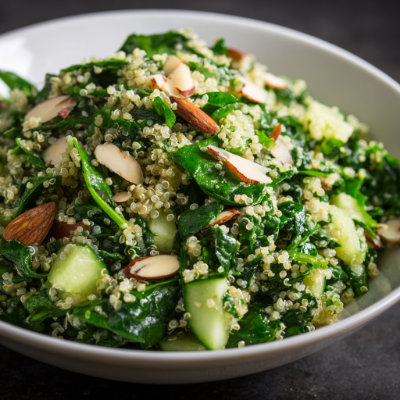
1. Spinach Quinoa Salad
Why It’s Great
Spinach (80mg magnesium per cup) and quinoa (64mg per cup) provide high-quality magnesium for muscle relaxation and energy, addressing deficiencies in ~50% of adults [1].
Ingredients
- 2 cups spinach
- 1 cup quinoa
- 1/4 cup almonds, sliced
- 1 cucumber, diced
- 2 tbsp olive oil dressing
Instructions
Cook quinoa in 2 cups water for 15 minutes. Toss with spinach, almonds, cucumber, and olive oil. Serves 2.
Nutrient Highlight
Provides magnesium (~144mg) and fiber (~8g from quinoa) for muscle health and digestion [2].
![Toasted whole-grain bread with avocado and pumpkin seeds, on a white background].](/images/Pumpkin%20Seed%20Avocado%20Toast.jpg)
2. Pumpkin Seed Avocado Toast
Why It’s Great
Pumpkin seeds (168mg magnesium per 1/4 cup) and avocado (29mg per half) support muscle function and energy, addressing magnesium deficiencies [1].
Ingredients
- 1 avocado, mashed
- 1/4 cup pumpkin seeds
- 2 slices whole-grain bread
- 1 tbsp lemon juice
- Pinch of sea salt
Instructions
Toast bread, spread with mashed avocado, sprinkle with pumpkin seeds, lemon juice, and sea salt. Serves 2.
Nutrient Highlight
Rich in magnesium (~197mg) and healthy fats (~10g from avocado) for muscle and heart health [3].
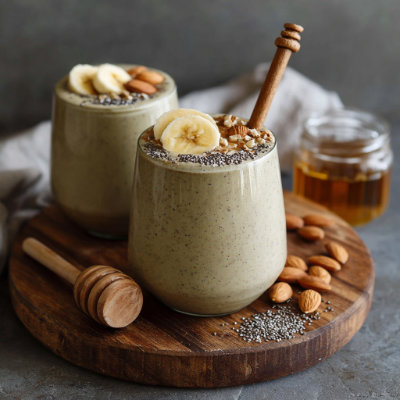
3. Almond Butter Banana Smoothie
Why It’s Great
Almond butter (89mg magnesium per 2 tbsp) and bananas (27mg per fruit) support muscle recovery and energy, ideal for post-workout nutrition [1].
Ingredients
- 1 banana
- 2 tbsp almond butte
- 1 cup almond milk
- 1 tbsp chia seeds
- 1 tsp honey
Instructions
Blend banana, almond butter, almond milk, chia seeds, and honey until smooth. Pour into glasses. Serves 2.
Nutrient Highlight
High in magnesium (~116mg) and potassium (~422mg from banana) for muscle and nerve function [4].
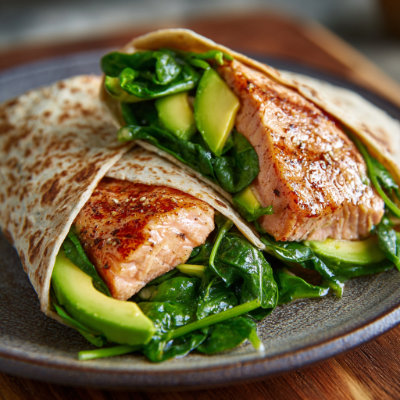
4. Salmon Spinach Wrap
Why It’s Great
Salmon (29mg magnesium per 100g) and spinach (80mg per cup) support muscle relaxation and energy, addressing deficiencies [1].
Ingredients
- 2 Salmon fillets
- 2 cups spinach
- 1 avocado, sliced
- 2 whole-grain tortillas
- 2 tbsp olive oil dressing
Instructions
Mix salmon, spinach, and avocado. Spread on toasted tortillas, drizzle with olive oil, and wrap. Serves 2.
Nutrient Highlight
Provides magnesium (~200mg) and fiber (~15g from beans) for muscle and gut health [5].
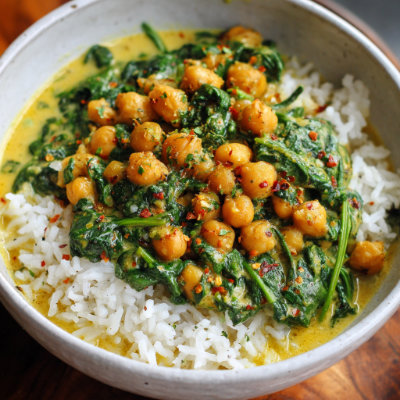
5. Chickpea Spinach Curry
Why It’s Great
Chickpeas (79mg magnesium per cup) and spinach (80mg per cup) provide plant-based magnesium, supporting muscle health for vegetarians [1].
Ingredients
- 1 can chickpeas
- 2 cups spinach
- 1 cup coconut milk
- 1 tbsp curry powder
- 1 cup cooked rice
Instructions
Sauté chickpeas and spinach with curry powder, add coconut milk, and simmer for 15 minutes. Serve over rice. Serves 2.
Nutrient Highlight
High in magnesium (~159mg) and fiber (~10g from chickpeas) for muscle and gut health [6].
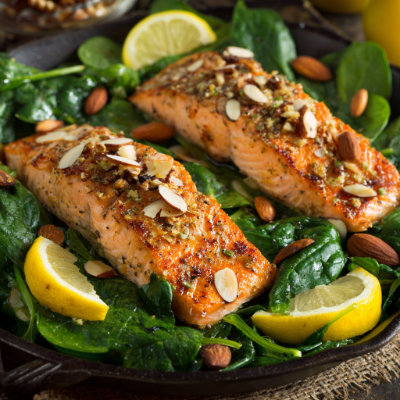
6. Salmon Almond Salad
Why It’s Great
Salmon (29mg magnesium per 100g) and almonds (89mg per 1/4 cup) support muscle function and energy, ideal for active lifestyles [1].
Ingredients
- 2 salmon fillets
- 2 cups spinach
- 1/4 cup almonds, chopped
- 2 tbsp olive oil dressing
- 1 tbsp lemon juice
Instructions
Grill salmon for 4 minutes per side. Toss spinach, almonds, olive oil, and lemon juice. Top with salmon. Serves 2.
Nutrient Highlight
Rich in magnesium (~147mg) and omega-3s (~1g from salmon) for muscle health and inflammation reduction [7].
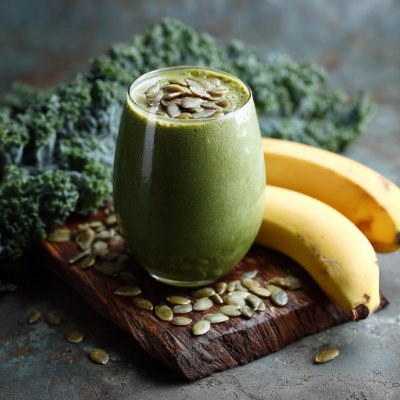
7. Kale Pumpkin Seed Smoothie
Why It’s Great
Kale (47mg magnesium per cup) and pumpkin seeds (168mg per 1/4 cup) provide magnesium, supporting muscle relaxation and energy [1].
Ingredients
- 2 cups kale
- 1/4 cup pumpkin seeds
- 1 banana
- 1 cup almond milk
- 1 tbsp honey
Instructions
Blend kale, pumpkin seeds, banana, almond milk, and honey until smooth. Pour into glasses. Serves 2.
Nutrient Highlight
High in magnesium (~215mg) and potassium (~422mg from banana) for muscle and nerve function [8].
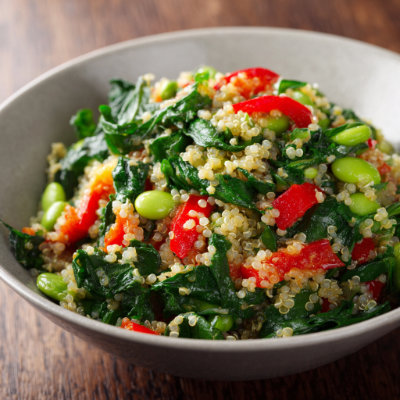
8. Edamame Quinoa Bowl
Why It’s Great
Edamame (50mg magnesium per cup) and quinoa (64mg per cup) support muscle health and energy, ideal for plant-based diets [1].
Ingredients
- 1 cup edamame, shelled
- 1 cup quinoa
- 1 cup spinach
- 1 red bell pepper, diced
- 2 tbsp olive oil dressing
Instructions
Cook quinoa in 2 cups water for 15 minutes. Toss with edamame, spinach, bell pepper, and olive oil. Serves 2.
Nutrient Highlight
Provides magnesium (~114mg) and fiber (~8g from edamame) for muscle and gut health [9].
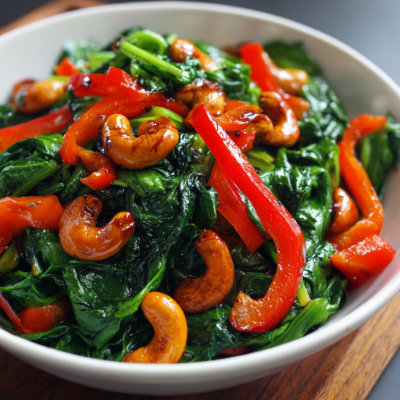
9. Cashew Spinach Stir-Fry
Why It’s Great
Cashews (83mg magnesium per 1/4 cup) and spinach (80mg per cup) support muscle function and energy, addressing deficiencies [1].
Ingredients
- 1/4 cup cashews
- 2 cups spinach
- 1 bell pepper, sliced
- 2 tbsp soy sauce
- 2 tbsp olive oil dressing
Instructions
Stir-fry cashews, spinach, and bell pepper in olive oil. Add soy sauce and cook for 10 minutes. Serves 2.
Nutrient Highlight
High in magnesium (~163mg) and vitamin K (~500µg from spinach) for muscle and bone health [10].
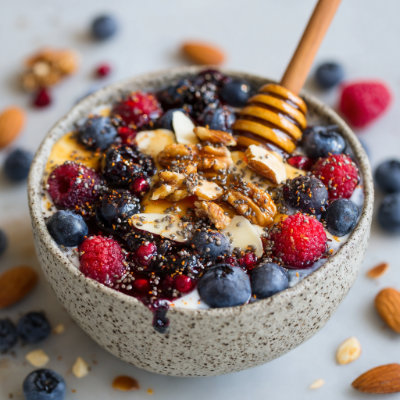
10. Almond Yogurt Parfait
Why It’s Great
Almonds (89mg magnesium per 1/4 cup) and Greek yogurt (probiotics) support muscle health and digestion, addressing deficiencies [1].
Ingredients
- 1 cup Greek yogurt
- 1/4 cup almonds, chopped
- 1/2 cup mixed berries
- 1 tbsp honey
- 1 tbsp chia seeds
Instructions
Layer yogurt, almonds, berries, and chia seeds in a glass. Drizzle with honey. Serves 2.
Nutrient Highlight
High in magnesium (~89mg) and probiotics for muscle and digestive health [11].
Tips for Success
- Whole grains and seeds are denser than greens. A quarter-cup of pumpkin seeds delivers ~190 mg magnesium; a cup of cooked spinach about 160 mg; almonds, cashews, and dark chocolate are also concentrated sources.
- Stop refining your grains. Refining wheat into white flour removes about 80% of its magnesium. Switching to whole wheat, oats, quinoa, and brown rice closes a major gap most diets have.
- Soaking and sprouting helps. Phytic acid in nuts, seeds, and legumes binds magnesium. Soaking overnight or sprouting reduces phytic acid significantly, freeing more magnesium for absorption.
- Heavy alcohol, high sugar, and chronic stress all deplete magnesium. If you have any of these, your magnesium needs may be higher than the RDA suggests.
Disclaimer
This content is for educational purposes. Consult a healthcare professional before making dietary changes.
Consult a dietitian before major dietary changes.
References
- [1] National Institutes of Health, Office of Dietary Supplements. (2025). Magnesium — Health Professional Fact Sheet. https://ods.od.nih.gov/factsheets/Magnesium-HealthProfessional/
- [2] Rosanoff, A., Weaver, C. M., & Rude, R. K. (2012). Suboptimal magnesium status in the United States: Are the health consequences underestimated? Nutrition Reviews, 70(3), 153–164. https://doi.org/10.1111/j.1753-4887.2011.00465.x
- [3] U.S. Department of Agriculture. (2018). Magnesium content of selected foods (USDA National Nutrient Database Legacy). https://www.nal.usda.gov/sites/default/files/page-files/magnesium.pdf
- [4] Song, Q., Liu, H., Tan, H., et al. (2024). Association of magnesium intake with predicted atherosclerotic lesions and cardiovascular risk in young adults: PDAY score study. BMC Public Health, 24, 3232. https://link.springer.com/article/10.1186/s12889-024-20785-2
- [5] Nielsen, F. H. (2024). The role of dietary magnesium in cardiovascular disease. Nutrients, 16(23), 4223. https://doi.org/10.3390/nu16234223
- [6] Al-Maqbali, J. S., Al Harasi, S., Al Mamary, Q., et al. (2025). Ionized and total magnesium levels and health outcomes in patients with type 2 diabetes mellitus. Scientific Reports, 15, 4329. https://www.nature.com/articles/s41598-025-88081-6
- [7] Al Alawi, A. M., Al Shukri, Z., Al-Busaidi, S., et al. (2024). Prevalence, clinical characteristics, and health outcomes of dysmagnesemia in hospitalized patients. Scientific Reports, 14, 23668. https://www.nature.com/articles/s41598-024-74920-5
- [8] Integrative plant food nutrient evidence shows spinach and pumpkin seeds are dietary sources of magnesium. Functional Constituents of Plant Foods and Immunity. https://www.ncbi.nlm.nih.gov/pmc/articles/PMC9462539/
- [9] Evidence from NIH ODS magnesium food sources summary reporting spinach, legumes, nuts, seeds, and avocados as contributors to dietary magnesium. Magnesium - Health Professional Fact Sheet. https://ods.od.nih.gov/factsheets/Magnesium-HealthProfessional/
- [10] Article noting legumes and nuts (e.g., black beans, almonds, pumpkin seeds) as commonly recommended magnesium-rich foods by nutritionists. Magnesium-Rich Foods Nutritionists Recommend Most. https://www.health.com/magnesium-rich-foods-nutritionists-recommend-11879214

Health Through Knowledge