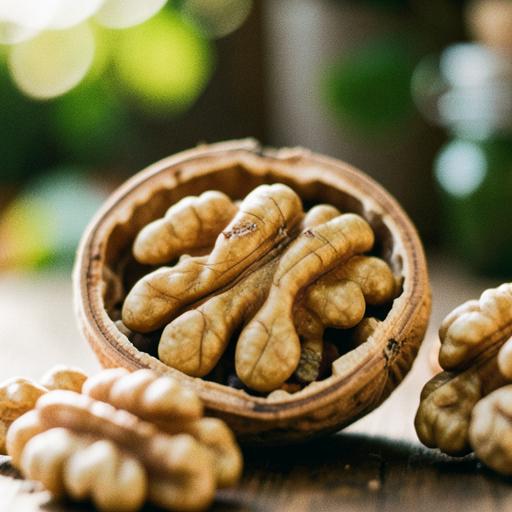
Chemistry & Compounds
Walnuts are a powerhouse of nutrients, with their most compelling attribute being the high concentration of plant-based omega-3 fatty acids. The key player here is alpha-linolenic acid (ALA), a type of omega-3 that is crucial for human health. ALA is known for its anti-inflammatory properties, making it essential for cardiovascular and cognitive health. Another standout compound in walnuts is ellagitannin, a type of polyphenol. Once ingested, ellagitannins are transformed by gut bacteria into urolithins, which can cross the blood-brain barrier—a critical step in combating oxidative stress in the brain. These compounds don't work in isolation; they collaborate to suppress inflammation and optimize the function of your cardiovascular system. This synergy extends to the gut, where walnuts act as a prebiotic, enhancing the growth of beneficial bacteria that produce short-chain fatty acids like butyrate, which are essential for gut health.

Health Benefits & Effects
Walnuts are more than just a tasty snack; they're a boon for your heart and mind. The presence of ALA and L-arginine in walnuts helps to enhance nitric oxide production, which in turn improves arterial elasticity. This is crucial for maintaining healthy blood pressure and reducing the risk of cardiovascular disease. Walnuts also lower bad cholesterol levels by decreasing low-density lipoprotein (LDL) particles and preventing their oxidation. When it comes to brain health, the omega-3s and ellagitannins work together to reduce inflammation in the central nervous system, which is vital for preserving cognitive function as we age. Moreover, regular walnut consumption has been shown to modulate the gut microbiome positively, increasing the abundance of beneficial bacteria that contribute to overall health.

Practical Use & Preparation
Incorporating walnuts into your diet is straightforward and versatile. You can consume them raw, which retains their rich nutrients, especially the polyphenol-rich skins. Cold-pressed walnut oil is another option, offering a concentrated source of ALA without the need for heating, which can degrade its delicate fats. Roasting walnuts deepens their flavor but requires careful temperature control to preserve their nutritional integrity. Walnut milk is a smooth, dairy-free alternative that provides essential fats and minerals. For culinary use, chopped walnuts make an excellent addition to salads, oatmeal, or homemade pestos. Remember, due to their high polyunsaturated fat content, walnuts should be stored in airtight containers in the fridge or freezer to prevent rancidity.
Safety, Interactions & Cautions
While walnuts are nutrient-rich, they're not suitable for everyone. Those with tree nut allergies should steer clear to avoid severe allergic reactions. Walnuts also contain phytic acid, which can bind minerals like iron and zinc, potentially affecting those with mineral deficiencies. Given their caloric density, individuals on calorie-controlled diets should replace other dietary fats with walnuts rather than adding them as an extra. Additionally, high omega-3 intake can have mild blood-thinning effects, so individuals on anticoagulant medications should maintain consistent consumption levels. Always consult with a healthcare provider before making significant dietary changes, especially if you're on medication, pregnant, or managing a medical condition.
Species & Alternatives
Walnuts belong to the species Juglans regia, commonly known as the English walnut. While other nuts like almonds and cashews offer health benefits, none match the omega-3 content of walnuts. For those seeking alternatives to walnuts for cardiovascular and cognitive benefits, chia seeds and flaxseeds are excellent plant-based options, though they lack the same rich polyphenol content. Each nut or seed has its unique profile and health benefits, so it's worth considering what specific nutritional needs you want to meet when choosing an alternative.
History & Traditional Use
Walnuts have been cultivated for thousands of years, originating from regions around the Mediterranean and Central Asia. Historically, they were considered a symbol of intellectuality, perhaps due to their brain-like appearance. Ancient Greeks and Romans used walnuts not only as food but also for medicinal purposes, valuing them for their perceived ability to ward off ailments. Over time, they have become a staple in various cuisines around the world, celebrated for both their flavor and health benefits. Today, walnuts continue to be revered, not just for their rich taste but for their scientifically-backed health benefits.
Myths vs. Evidence
With the rise of superfoods, walnuts have sometimes been swept up in the tide of exaggerated health claims. While they are indeed packed with beneficial nutrients, they are not a cure-all. Some myths suggest that walnuts alone can dramatically reduce disease risk, but their benefits are best realized as part of a balanced diet. Scientific evidence supports their role in reducing cardiovascular risk and supporting cognitive health, but they are not a substitute for a healthy lifestyle. It's crucial to approach walnuts as a valuable component of a broader nutritional strategy rather than a miraculous fix.
References
- Role of Walnuts in Maintaining Brain Health with Age
- Health Benefits of Nut Consumption
- Dietary ??Linolenic Acid, Marine ??3 Fatty Acids, and Mortality in a Population With High Fish Consumption: Findings From the PREvención con DIeta MEDiterránea (PREDIMED) Study
- Urolithin A — Mitochondrial Mitophagy Activator from Pomegranate & Nuts