
Beet juice has been receiving more and more popularity for its remarkable ability to lower blood pressure. This colorful beverage is an excellent source of nitrates that are transformed into nitric oxide in the body. Nitric oxide is well known for its ability to dilate blood vessels, thus increasing blood flow to various tissues in the body.

The beet juice and blood pressure link has been scientifically documented and is supported by numerous double-blind studies. Researchers found out that consuming beet juice resulted in significant decrease in blood pressure levels in humans. What is more, this finding might be of a particular importance in the prevention of hypertension and its associated cardiovascular diseases. Indeed, the relaxation of blood vessels that occurs due to increased production of nitric oxide decreases the workload of the heart.
In addition to nitrates, beet juice also contains several important nutrients for the cardiovascular system, such as potassium, magnesium and vitamin C. For example, potassium plays a vital role in maintaining electrolyte balance in the human body. It also helps normalize heart rate and reduce excessive sodium levels in the case of kidney malfunction.
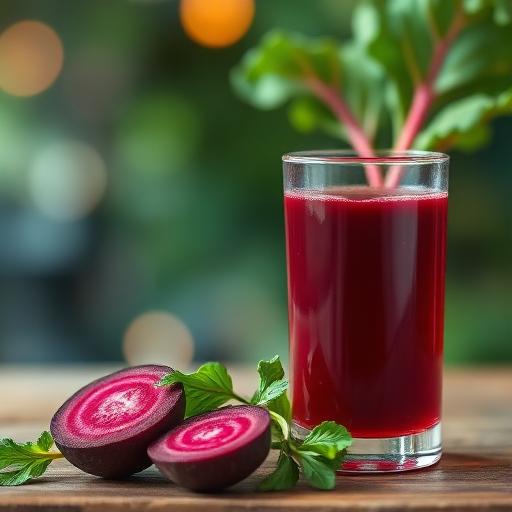
The consumption of beet juice may be easily integrated into a heart-healthy lifestyle. The most common ways of eating this vegetable are drinking it either alone or mixed with other juices and smoothies. It may also be used as a dressing for various salads. However, people who decided to go on a beet juice diet should pay attention to its moderate use. The overconsumption of this product may lead to side effects, such as beeturia – beet juice in the urine or feces, abdominal discomfort, gas, and nausea.
Beet juice is a great complement to a heart-healthy lifestyle, which is why it should be included in the daily or weekly diet. However, it should not be regarded as a complete or alternative treatment for hypertension. Instead, it should be used alongside other lifestyle changes, such as regular physical activity, a heart-healthy plant-based diet that is rich in vegetables, fruits, and legumes, and reduction in alcohol and tobacco consumption.
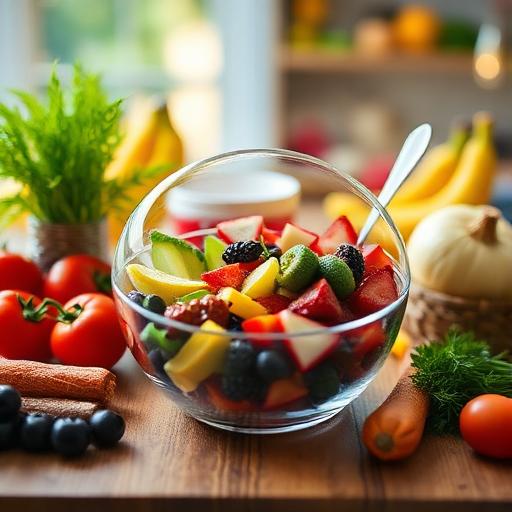
A person who has decided to implement dietary and lifestyle changes to improve cardiovascular health should consult a healthcare provider to make sure that beet juice and the proposed heart-healthy eating pattern do not interfere with any preexisting conditions or medications. For example, nitrates contained in beet juice may interact with certain drugs, such as nitrate drugs used in the treatment of impotence or heart diseases.
According to the American heart association, a heart-healthy eating pattern emphasizes the importance of a balanced diet that is rich in fruits, vegetables, whole grains, and fat-free or low-fat dairy products and limits the intake of saturated fats, trans fats, cholesterol, sodium, and added sugars. Thus, beet juice fits perfectly into this category and may serve not only as a beverage but also as a seasoning for other foods.

In conclusion, beet juice may be a safe and effective way to reduce blood pressure levels and maintain cardiovascular health. Since heart diseases are among the most common and fatal conditions in the United States, it is worth considering beet juice as a supplementary intervention to decrease blood pressure, alongside other lifestyle changes. The remarkable source of nitrates that beet juice is may lead to substantial improvements in one’s cardiovascular system and heart function in particular, provided it is included in the daily diet in moderation. One way or another, it appears that this juice can indeed support a heart-healthy lifestyle.