
Could a high fiber diet be the catalyst for a healthier, more efficient brain and a happier mood? New studies show us that dietary fiber may actually not only be healthy for our gut, but for our minds as well, with possible huge implications for the future of our health.
Dietary fiber, commonly found in fruits, vegetables, legumes and some whole grains, may be more helpful than we previously thought. Studies show that, aside from being very healthy for our digestion, fiber can actually improve our brain function and help us retain the proper balance in our moods.
A major point in the discussion of fiber's positive effects on the human brain is the relationship between fiber and the gut-brain axis. The gut-brain axis is a term that describes the connection between our digestive systems and our brains, which may explain the link between fiber and a happy mood as well as a healthy diet and improved cognitive function. By improving the makeup of our gut microbiota, fiber can help our bodies produce metabolites that influence our mood and cognition. Another important point is the fact that fiber can actually improve our chances of staying away from depression.
Fiber-rich food can decrease the chance of developing depression-like symptoms and also help in the control of blood sugar levels. Having stable blood sugar is another critical factor in avoiding depression and other mental illnesses, as irregular levels can cause dramatic mood swings and feelings of anxiety or hopelessness. One study mentioned in the article showed that people who ate more fiber tended to develop less severe symptoms of depression than those who did not. The causes of this might be attributed to the anti-inflammatory properties of fiber, which might reduce the chances of developing depression. The gut-brain axis is most likely a major contributor to this effect as well, as its effect on the health of the human body is not yet fully understood. The anti-inflammatory effects and the relationship with the gut-brain axis of fiber may have major implications on human health.
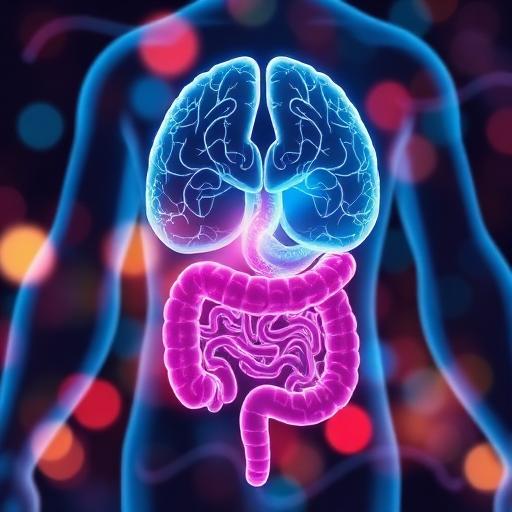
As humans, we need to keep our cognitive functions as intact as possible as we age, as deterioration is often seen as an unavoidable part of growing older. Luckily, there are ways to slow this process and fiber might be one of them. Fiber's effects on the human body and mind could help us to age better and stay as healthy and happy as possible. Keeping our intestines healthy is a big part of this, which is something that fiber is exceptionally good at. Fiber is necessary for a healthy diet and an increasing number of diets around the globe are including more and more fiber-rich food. However, many people could still be eating much healthier than they currently do. Simple swaps, like eating whole grain bread instead of white bread or adding an extra helping of vegetables to your plate, can lead to dramatic increases in fiber intake.
If you're wondering how to make those swaps and start eating more fiber, you're in luck. Fiber can be found in most supermarket aisles in a variety of different products. Simply swapping some white products for their whole grain alternatives or adding legumes, legumes, fruits and vegetables to your diet can vastly increase your fiber intake.
While the research is ongoing, the evidence presented shows us that fiber is much more than just a cure for constipation. It is a vital part of a healthy diet and a major contributor to the well-being of our minds. So, when you're next at the store or preparing a meal, think about how you can increase your fiber intake and do your brain a favor.