
#Chemistry & Compounds: Unveiling Papaya’s Power
Papaya contains various substances contributing to its remarkable health benefits. The most common enzyme in papaya is papain, a protein-decomposing enzyme that helps decompose protein strands and digest food. The enzyme also reduces the gas formation that occurs during the digestion process and helps prevent heartburn when taken with meals.
The enzyme is present in relatively large quantities in leaves, stems, roots, and unripe fruit. Another substance found in papaya is lycopene, an antioxidant that prevents the oxidation of bad cholesterol, thereby reducing atherosclerosis risk. Seeds of this fruit contain benzyl isothiocyanates, which have antibacterial properties. The fruit’s flesh, in turn, is rich in vitamin C and A, boosting the immune system and regulating inflammation in the body.
Thus, the biochemical composition of papaya is advantageous and beneficial for the human body as it helps to regulate numerous physiological processes.
#Health Benefits & Effects: Papaya’s Impact on the Human Body
Papaya has a significant impact on the human body as it improves the digestion process and positively affects the cardiovascular system. Moreover, this fruit’s regular consumption reduces the risk of many diseases. First, the enzyme present in the flesh of this fruit, called papain, hydrolyzes proteins, improving the process of digestion. The digestion process becomes easier and causes less discomfort such as bloating and indigestion.
The antioxidant power of papaya, mainly due to its lycopene content, helps reduce the oxidation of low-density lipoprotein or bad cholesterol. It significantly lowers the risk of developing atherosclerosis and benefits the overall cardiovascular system. Moreover, the high level of vitamin C and E in papaya reduces cellular oxidation, increases the body’s resistance to infections, and accelerates the healing process.
When consumed regularly, this fruit reduces the risk of many diseases, including osteoporosis and diabetes, and supports the immune system. Thus, papaya is not only a source of food but also a prevention method for numerous health issues.
# Practical Use & Preparation: How to Enjoy Papaya
Adding this fruit to the diet can be highly beneficial for health; however, the correct use of papaya is of significant importance. First of all, the ripe fruit is most commonly used in the diet. It can be eaten raw or used to make smoothies. When deciding to consume this fruit to improve digestion, it is essential to eat it with food or mix it with meals.
The seeds of this fruit contain valuable oils; therefore, they are often dried and used as black pepper. Moreover, unripe green papayas are used in many Asian dishes, such as green papaya salad. The young fruit contains more papain, which aids digestion, and is often used in cosmetics.
To get rid of constipation, it is recommended to eat this fruit with a high-fat content. When choosing healthy snacks, one should opt for papaya, which is high in fiber and beneficial for the digestive system. When eating this fruit, it is essential to balance it with unsaturated fats, such as those contained in yogurt or nuts. One medium-sized papaya can be eaten per day to get maximum benefits.
# Safety, Interactions & Cautions: What Should Be Known About Papaya
Even though this fruit is generally safe, there are some contraindications to its use. For example, people with latex allergies may experience allergic reactions when exposed to chitinases, which are enzymes found in papaya. Another concern is the interaction between this fruit and blood thinners; thus, people on a regular course of anti-platelet drugs should consult a healthcare provider before using papaya, especially green unripe fruit and leaves.
Pregnant women should avoid eating semi-ripe or green papaya due to the high latex content, which may cause miscarriage or contractions. Moreover, people with diabetes need to monitor their blood sugar levels after consuming this fruit, as the ripe fruit has a relatively high glycemic index. Therefore, it is essential to consult a healthcare professional before adding this fruit to the diet, especially for people with existing health conditions.
# Species & Alternatives: Papaya in Comparison With Other Fruits
Compared to other fruits, papaya has a unique composition and offers benefits that cannot be obtained from other foods. However, some fruits, such as pineapple and kiwi, also have positive effects on the digestion process, as they contain enzymes that help break down food. Nevertheless, only papaya has papain, which is beneficial for the digestion process of proteins.
In addition, while many fruits contain various vitamins and minerals, papaya is one of the few fruits that also contain enzymes. Therefore, this tropical fruit is not only a source of vitamins but also aids the digestive system.
For people who are allergic to this fruit or cannot tolerate it, the use of enzyme supplements is beneficial. However, they cannot replace the entire fruit, as it also contains fiber, vitamins, and other nutrients. Thus, although other fruits affect the digestion process, papaya remains unique in terms of its beneficial effects on the human body.
# History & Traditional Use: Papaya’s Legacy
Papaya originated in Central America, where it has been used for centuries. This fruit was known as the “fruit of the angels” due to its numerous health benefits and was used as a source of food and medicine. The locals used different parts of the plant for various purposes.
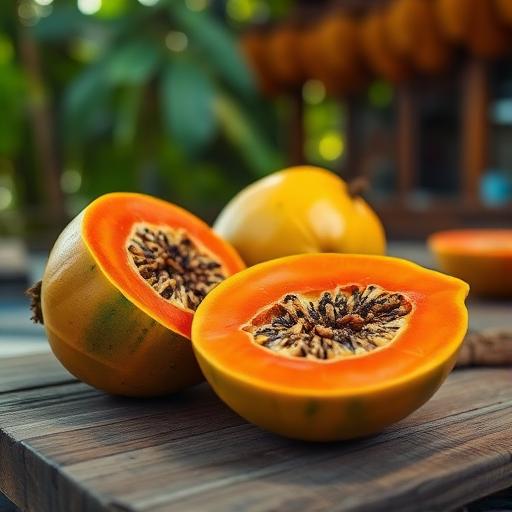
The unripe fruit and seeds were used to treat parasitic infections and upset stomach, while the leaf was used to treat liver problems and anemia. Since its discovery, papaya has gained popularity among the people of many countries because of its versatility and outstanding benefits.
# Myths vs. Evidence: Separating Facts From Fiction
Numerous myths and unproven theories surround this tropical fruit. There is not enough information about the potential dangers of papaya; however, some of the most common myths should be dispelled as they do not reflect the truth. For example, there is no reliable information about how this fruit interacts with other drugs, so claims about the dangerous impact of this fruit on the body may not be accurate.
At present, the benefits of regular papaya consumption are well-known: the fruit benefits the digestion process, reduces the risk of many diseases, and strengthens the immune system. Moreover, clinical trials have proven this fruit’s positive effect on the cardiovascular system and its ability to reduce bad cholesterol. Claims about the curative potential of this fruit are not supported by sufficient, so it is necessary to understand what benefits of papaya have been proven by evidence.