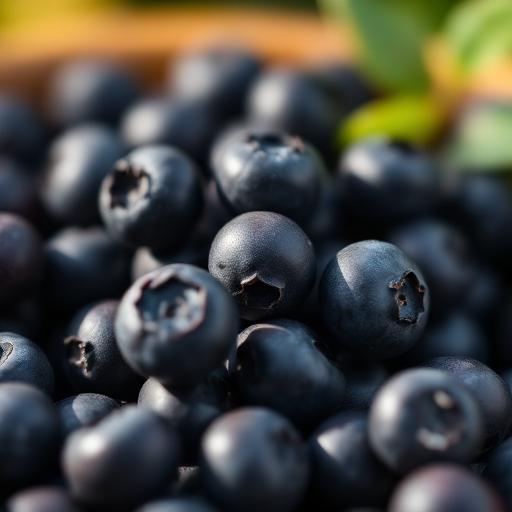
Chemistry & Compounds: The Power Behind Blueberries
Blueberries are a powerhouse of bioactive compounds that contribute to their health-promoting properties. The most prominent among these is anthocyanin, a polyphenol antioxidant that gives blueberries their distinctive blue color. Anthocyanin, along with other polyphenols, is thought to reduce oxidative stress and inflammation in the body.

Other compounds found in blueberries include pterostilbene, resveratrol, and vitamin K1. Pterostilbene is a polyphenol compound that can pass through the blood-brain barrier, providing protection to the brain and improving insulin sensitivity. Resveratrol, a polyphenol antioxidant, is associated with cardiovascular benefits, including reduced oxidation of low-density lipoprotein (LDL) or “bad” cholesterol. Vitamin K1, also known as phylloquinone, plays a role in blood clotting, bone, and vascular health.
The combination of compounds in blueberries works synergistically to provide health benefits. The low glycemic index and high fiber content of blueberries make them a healthy snack that supports metabolic health and longevity.
Health Benefits & Effects
Blueberries provide a variety of health benefits beyond their antioxidant content. These include neuroprotection and improved cognitive performance, cardiovascular benefits, and metabolic health improvements.
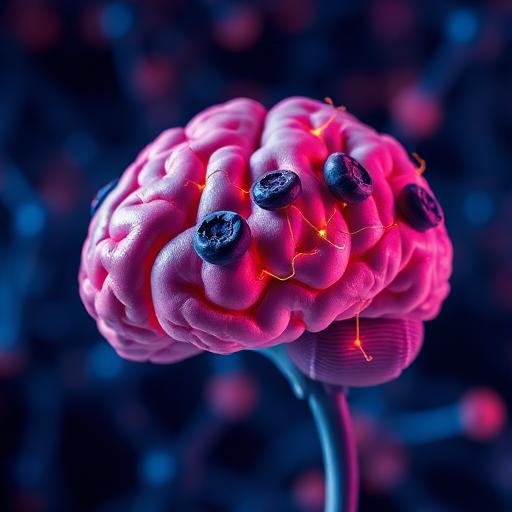
One of the most well-documented benefits of blueberries is their effect on the brain. The polyphenols in blueberries can pass through the blood-brain barrier, supporting communication between neurons. This helps improve memory, learning, and overall brain function. Additionally, blueberries’ antioxidant content helps reduce oxidative stress and inflammation in the brain, which are linked to neurodegenerative diseases such as Alzheimer’s and Parkinson’s.
In terms of cardiovascular benefits, the anthocyanins in blueberries help maintain the function of the endothelium - the lining of blood vessels. This, in turn, helps relax blood vessels and maintain healthy blood pressure. Clinical studies also show that blueberries reduce the oxidation of LDL cholesterol, which is a major risk factor for heart disease.
The fiber in blueberries also supports metabolic health by reducing post-meal blood sugar spikes. Moreover, blueberries have been shown to improve insulin sensitivity and glucose metabolism, making them a healthy snack for people with diabetes or those at risk of developing the condition.
Practical Use & Preparation
Blueberries are a versatile fruit that can be enjoyed in various forms. They can be eaten raw as a healthy snack or added to breakfast cereals or yogurt. Fresh blueberries are the best option, as they have the highest concentration of vitamin C and enzymes. When selecting fresh blueberries, it is best to choose those with a “dusty” appearance, as this is a sign of freshness.
Another option is to use frozen blueberries. Freezing not only helps preserve the fruit’s nutrients but also increases the bioavailability of anthocyanins. Frozen blueberries can be used in smoothies or baking, although it is best to add them at the end of the cooking process to prevent overcooking.
Wild blueberries are also a good option, although they are smaller than their cultivated counterparts. They have a higher concentration of antioxidants and can provide more health benefits per serving. Blueberry powder is another option, as it is a concentrated source of polyphenols. One tablespoon of blueberry powder is equivalent to half a cup of fresh blueberries.
It is a good idea to combine blueberries with healthy fats such as walnuts or Greek yogurt, as this enhances the absorption of antioxidants. One cup of blueberries per day is a healthy target, although half a cup is enough to provide substantial health benefits.
Safety, Interactions & Cautions
Blueberries are generally safe for consumption, although there are a few things to consider. First, blueberries are high in vitamin K1, which is a blood-clotting factor. Therefore, people on blood-thinning medications such as Warfarin should consult their doctor before adding blueberries to their diet. The same caution applies to people scheduled for surgery, as blueberries may interfere with blood sugar levels and clotting function.
People with a history of kidney stones should also be cautious about their blueberry consumption. This is because blueberries contain oxalates, which can contribute to the formation of kidney stones in susceptible individuals.
If you have any underlying health conditions or are on any medications, it is best to consult your doctor to determine the safest way to include blueberries in your diet.
History & Traditional Use
Blueberries have been a part of the North American diet for centuries. They were native to the region and were used by indigenous peoples for their nutritional and medicinal properties. The berries, leaves, and roots of the blueberry plant were used to make traditional medicines that addressed a variety of health conditions.
When European settlers arrived in North America, they adopted blueberries as a local crop and incorporated them into their diets. Today, blueberries are enjoyed worldwide and continue to be valued for their health benefits. The traditional use of blueberries has contributed to the wealth of scientific research on the fruit, which has identified the various compounds that contribute to its health benefits.
Myths vs. Evidence
Blueberries have become synonymous with superfoods, but it is important to separate myths from evidence. For example, while blueberries are incredibly healthy, it is a myth that all blueberry products are created equal. Processed blueberry products such as jams and syrups often have added sugars and are not as nutritious as fresh or frozen berries.
Another myth is that blueberries can prevent all diseases. While blueberries have powerful antioxidant properties that can reduce the risk of chronic diseases, they are not a magic bullet. A balanced diet that includes a variety of healthy foods is essential for overall health and disease prevention.
Blueberries are a healthy addition to any diet, but they should be part of an overall healthy lifestyle that includes regular exercise and good sleep hygiene.