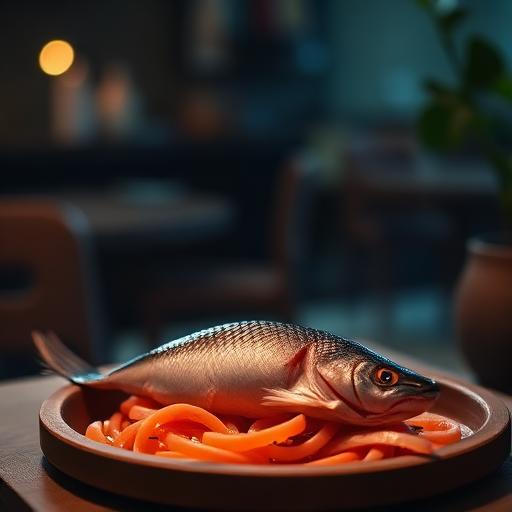
Navigating a Fish-Free Diet: Essential Nutrient Alternatives
For those who choose to refrain from eating fish, whether due to personal preference or dietary restrictions, it can sometimes be a challenge to meet their nutritional needs.
Fish are well known for being a healthy source of nutrition, especially for the important omega-3 fatty acids, vitamin D, and iodine.
But there is no need to fear! There are many different sources of these necessary nutrients that will make you forget that you're on a fish-free diet.
Omega-3 Fatty Acids
Many people think of fish when they think of omega-3s due to its association with health and fitness, however there are many sources of this important acid.
Foods such as flaxseeds, chia seeds, and walnuts can all help boost your omega-3 levels.
There are also supplements you can take if you think you aren't getting enough.
However, the omega-3s found in plants are in a form called alpha-linolenic acid which your body must convert to a more usable form.
If you're looking for a more easily digested source of omega-3s like the kind found in fish, you might want to try an algae oil suppliment instead.
Not only is it healthy, but it's also a good way to get your daily dose of an alternative to fish!
Vitamin D

Vitamin D is an important vitamin that can often be lacking in people's diets.
It is often called the sunshine vitamin because it can be found naturally in the body when we are outside in the sun.
Fatty fish like salmon and sardines are two foods that are high in vitamin D, but there are many other ways to get your daily dose.
Being outside for 10-30 minutes a day a few days a week should give you enough vitamin D for the week depending on your skin tone.
You can also find vitamin D in fortified foods such as plant-based milks, orange juice, and cereals.
Mushrooms are another good source of vitamin D that can be added to many dishes.
If you are lacking in vitamin D or simply can't get enough through sunlight and diet alone, there are also suppliments to help boost your vitamin D.
It is important that you speak to your doctor about how much vitamin D you need.
Iodine
Iodine is an important mineral that helps our bodys create hormones that control our metabolism.
While many types of fish are high in iodine, there are many other ways to get that daily source of iodine that your body needs.
Seaweed like kelp, wakame, and nori are all high in iodine, but it can be easy to get too much of it from seaweed.
Another great source of iodine is iodized salt.
It is important to make sure you're getting enough iodine each day, but it's just as important to not get too much.
Adding dairy products, eggs, and prunes to your diet can also help you get the recommended daily amount of iodine.
Making sure that you're eating a well rounded, healthy diet is important to staying healthy.
While eating fish is generally healthy, those who prefer to avoid eating fish can still get all of the nutrients they need with a bit of extra effort and research.
Knowing what to look for in a healthy, balanced diet can help anyone be more informed on the food they eat and the nutrients their bodies need.
Speaking with a nutritionist is also a good way to make sure you're getting everything you need in your diet.
Avoiding eating fish is no problem at all with the proper nutrients and a little research!