Selenium is a trace mineral that might not get the same spotlight as vitamins like C or D, but it's an unsung hero in the realm of nutrition. This essential nutrient acts as a powerful antioxidant and is crucial for maintaining optimal health, particularly when it comes to immune function and cellular protection.
The Antioxidant Power of Selenium
At its core, selenium is a potent antioxidant. Antioxidants are substances that help protect your cells from damage caused by free radicals—unstable molecules that can contribute to oxidative stress and inflammation. Over time, the damage from free radicals can lead to chronic diseases such as heart disease and cancer. Selenium's ability to neutralize these harmful molecules makes it a valuable player in reducing the risk of these conditions.

Supporting Immune Function
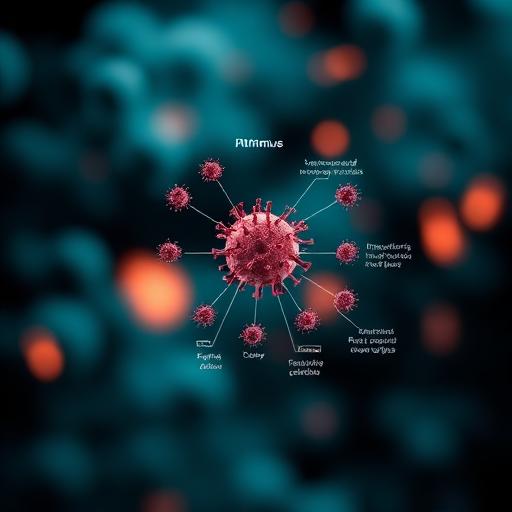
Selenium doesn't just stop at protecting cells; it's also vital for a healthy immune system. It aids in the production of selenoproteins, which are important for immune response. These proteins help regulate inflammation and ensure your immune system can respond effectively to threats. Individuals with adequate selenium levels are often better equipped to fend off infections and recover from illnesses more quickly.
Selenium and Thyroid Health
Another important role selenium plays is in thyroid function. The thyroid gland requires selenium to produce hormones that regulate metabolism. Without enough selenium, the thyroid can't function properly, which can lead to disorders such as hypothyroidism. Ensuring sufficient selenium intake supports metabolic health and can help maintain energy levels and weight management.
Dietary Sources of Selenium
It's not difficult to incorporate selenium into your diet. This mineral is found in a variety of foods, making it accessible for most people. Brazil nuts are perhaps the most famous source, with just a couple of nuts providing more than the daily recommended intake. Other sources include fish like tuna and sardines, meats such as turkey and chicken, and grains like brown rice and whole wheat bread. Incorporating these foods into your meals can help ensure you're getting enough selenium.
The Fine Line: Selenium Dosage
While selenium is essential, it's important to consume it in the right amounts. Too little selenium can lead to deficiencies, impacting immune response and thyroid function. On the flip side, excessive selenium intake can be toxic, leading to symptoms such as hair loss, nail brittleness, and in severe cases, neurological damage. The key is balance—ensuring you're getting enough without overdoing it.
Considerations and Recommendations
For most people, a balanced diet will provide adequate selenium. However, certain populations may need to pay extra attention to their intake. Vegetarians or those with specific dietary restrictions might need to seek out alternative sources or consider supplements. As with any nutrient, it's wise to consult with a healthcare provider before making significant changes to your diet or starting new supplements.
Selenium may not be front and center in public health discussions, but its role in maintaining overall health is undeniable. By acting as an antioxidant, supporting immune function, and ensuring thyroid health, selenium proves itself to be a key component in a well-rounded diet. Whether you're munching on Brazil nuts or enjoying a serving of fish, remember that this little mineral packs a big punch in your wellness routine.