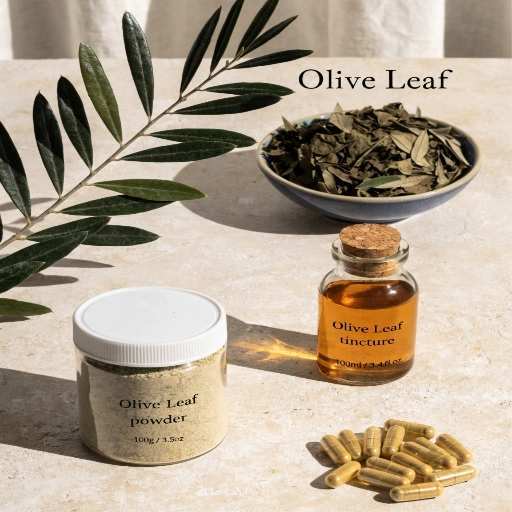
The olive leaf, hailing from the Olea europaea tree native to the Mediterranean, has long been esteemed for its health-enhancing properties. While olive oil garners much attention in the culinary world, it's the leaves of this ancient tree that pack a more potent punch when it comes to health benefits. Laden with a concentration of therapeutic polyphenols, olive leaves have been used for centuries in traditional Mediterranean medicine, celebrated for their powerful cardiovascular and immune-supporting capabilities.
Central to the leaf's potency are its bioactive compounds: oleuropein, hydroxytyrosol, and elenolic acid. These compounds are instrumental in reducing inflammation within blood vessels, stabilizing blood pressure, and providing robust antioxidant protection. Their bioavailability means the body can absorb and utilize these protective phytonutrients efficiently, making olive leaf a potent ally in promoting health.
Cardiovascular Health and Blood Pressure Management
Olive leaf excels in supporting heart health, primarily through the actions of oleuropein and hydroxytyrosol. These compounds inhibit the Angiotensin-Converting Enzyme (ACE), which helps blood vessels relax and expand, thus promoting better blood flow. They also boost the production of nitric oxide, ensuring the smooth operation of blood vessels, and protect LDL cholesterol from oxidation, a critical factor in preventing arterial plaque buildup. These actions collectively contribute to maintaining healthy blood pressure levels and overall cardiovascular health.
Immune System Fortification

The immune-boosting properties of olive leaf are largely attributed to elenolic acid. This compound exhibits strong anti-microbial and anti-viral capabilities, penetrating infected cells, interrupting viral replication, and enhancing phagocytic activity. As a result, olive leaf can effectively bolster the body's natural defenses, making it a valuable supplement for immune support.
Blood Sugar Regulation and Glycemic Control
Beyond cardiovascular and immune benefits, olive leaf has shown promise in managing blood sugar levels. Clinical trials suggest that olive leaf extracts can improve insulin sensitivity, optimize pancreatic function, and slow starch digestion in the gut. These effects help in moderating post-meal blood sugar spikes, making olive leaf an attractive option for those seeking to manage their glucose levels more effectively.
Consumption and Practical Use
Olive leaf is available in various forms, each offering unique benefits. Fresh or dried leaves can be brewed into teas, providing a gentle and earthy infusion perfect for daily use. More concentrated forms, such as standardized leaf extract powders and liquid tinctures, offer a more potent dose of the active compounds for those seeking specific health benefits. A typical supplemental dose ranges from 500 to 1,000 mg daily, with the higher end often used in studies focusing on blood pressure and metabolic health.
Considerations and Precautions
While olive leaf is generally safe, it's important to be mindful of potential interactions with medications. Those on blood pressure medications should be cautious, as olive leaf can naturally lower blood pressure, potentially leading to dizziness. Similarly, individuals taking diabetes medications should monitor their blood sugar levels closely, as olive leaf may enhance the effects of these drugs. Consulting with a healthcare provider before starting any new supplement, especially for those with pre-existing conditions or those taking other medications, is always advisable.
A Promising Addition to Modern Health Regimens
Olive leaf stands out as a powerful botanical tool for supporting cardiovascular health, moderating blood sugar, and enhancing immune function. Its use is backed by both historical practice and modern science, making it a compelling choice for those looking to support their health naturally. As research continues to uncover new potential benefits, including its role in neuroprotection and liver health, olive leaf remains a promising candidate for inclusion in comprehensive wellness strategies.
References
- Impact of phenolic-rich olive leaf extract on blood pressure, plasma lipids and inflammatory markers: a randomised controlled trial
- Olive (Olea europaea L.) Leaf Polyphenols Improve Insulin Sensitivity in Middle-Aged Overweight Men: A Randomized, Placebo-Controlled, Crossover Trial
- Oleuropein in Olive and its Pharmacological Effects
- Olive Leaf — The Botanical Powerhouse for Cardiovascular Support and Immune Resilience