Chemistry & Compounds: Understanding Prickly Ash's Active Elements
Prickly Ash is not just another plant in traditional herbalism; it's a powerhouse of bioactive compounds that make it a standout. The plant is rich in alkamides, specifically neoherculin, alongside coumarins and lignans. These compounds work at a biological level by interacting with neuromuscular pathways to enhance blood circulation and stimulate local blood flow. They are known for their ability to engage with TRPV1 receptors, which are specialized neuro-receptors found on the tongue and throughout the vascular system. This interaction induces vasodilation, meaning it helps widen blood vessels to improve circulation. Moreover, the alkamides in prickly ash are recognized for their ability to trigger a tingling sensation that not only wakes up the senses but also boosts digestive secretions, making them a unique blend of chemistry and function. This blend of compounds is what gives prickly ash its distinctive tingling effect and its broad applicability in stimulating circulation and digestion.
Health Benefits & Effects: What Prickly Ash Can Do for You
Prickly Ash is celebrated for its remarkable health benefits, particularly in the domains of circulation and digestion. It is traditionally used as a warming circulatory stimulant, ideal for those with cold extremities or sluggish blood flow. By promoting microvascular and peripheral circulatory stimulation, prickly ash helps drive warmth to the fingers, toes, and even pelvic tissues. This is especially beneficial for individuals experiencing chronic coldness or fatigue in these areas. Additionally, prickly ash acts as a powerful digestive tonic. It stimulates salivary and gastric secretions, which can alleviate post-meal bloating and heaviness. This digestive support is crucial for those who experience gastrointestinal sluggishness or discomfort. Beyond these primary benefits, prickly ash also provides natural pain modulation, offering a temporary numbing effect that can help with dental discomfort and sore gums. This multifaceted approach makes prickly ash a valuable botanical in managing both circulation and digestion.
Practical Use & Preparation: Getting the Most from Prickly Ash
Prickly Ash is not typically consumed as a culinary ingredient due to its intense and pungent flavor profile. Instead, it is prepared and used in various structured forms. The most traditional preparation involves dried inner bark decocting chips, which are slowly boiled to extract potent alkaloids and warming resins. Liquid extracts and tinctures are also popular for their rapid absorption and immediate tingling effect, which jump-starts digestion. Dried berry powders, sourced from the aromatic seed pods, offer volatile oils that help dispel internal gas. For external use, warming topical salves and liniments are applied to stimulate local blood circulation and relieve joint stiffness. The key to unlocking prickly ash's benefits lies in its preparation. For instance, decoctions should be simmered rather than steeped to release the plant's tough, resinous compounds effectively. Proper storage, like keeping liquid tinctures in dark amber glass jars, is vital to preserve the plant's volatile oils.
Safety, Interactions & Cautions: Navigating Prickly Ash's Use
While prickly ash offers numerous benefits, it's essential to be mindful of certain safety considerations and potential interactions. Those with acute gastric inflammation, such as active stomach ulcers or severe acid reflux, should avoid this plant due to its ability to stimulate gastric secretions. Additionally, because prickly ash can enhance blood flow, individuals on blood-thinning medications like warfarin or aspirin should consult their healthcare provider before use. This consultation is crucial to prevent potential additive effects with their medication. Furthermore, prickly ash's natural acid-promoting properties may interfere with antacid therapies, reducing their efficacy. Pregnant and lactating women should also steer clear of prickly ash, as it acts as a potent systemic stimulant that can affect internal blood and fluid movement. As always, it's best to consult with a healthcare professional before starting any new supplement, particularly for those with chronic health conditions or those taking medications.
Species & Alternatives: Exploring Prickly Ash and Its Relatives
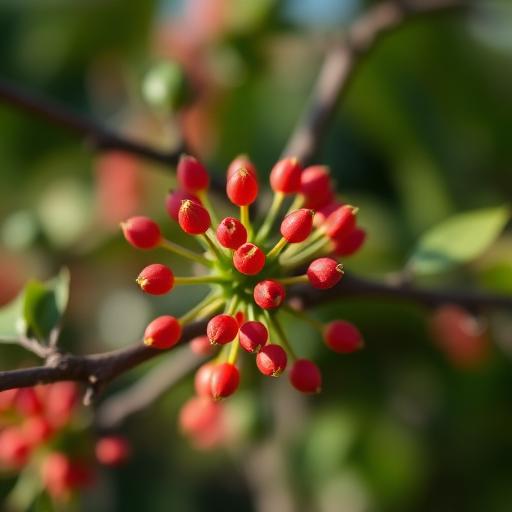
Prickly Ash encompasses two primary species: the Northern species Zanthoxylum americanum and the Southern species Zanthoxylum clava-herculis. Both are renowned for their pungent, aromatic qualities and have similar applications in traditional herbalism. However, they might differ in their regional growth and slight variations in their chemical profiles. Alternatives to prickly ash that offer similar warming and circulatory benefits include ginger and cinnamon, which provide complementary spice and heat. These alternatives can be used in conjunction with prickly ash or as standalone options for those seeking to enhance blood flow and digestive function. Each of these botanicals has its unique properties and benefits, but when it comes to the tingling, numbing sensation that prickly ash provides, it's truly in a class of its own.

History & Traditional Use: Prickly Ash Through the Ages
Prickly Ash has a rich history rooted in Native American herbalism and 19th-century Eclectic medicine. Historically referred to as the "Toothache Tree," it was prized for its mouth-numbing properties, offering relief from dental discomfort. Native American communities valued it for its ability to stimulate circulation and digestion, incorporating it into their traditional healing practices. Eclectic physicians also recognized its efficacy, particularly for its warming properties and its ability to awaken stagnant vascular flow. Over time, as modern herbalism and functional nutrition evolved, prickly ash maintained its esteemed position. Today, it continues to be celebrated for its unique ability to support circulation and digestion, bridging the gap between historical use and contemporary wellness practices.
Myths vs. Evidence: Separating Fact from Fiction
Prickly Ash is often surrounded by myths and exaggerated claims, but it's crucial to distinguish well-supported benefits from overhyped assertions. The tingling sensation it produces is sometimes misconstrued as harmful, but it's a natural response indicating its active alkamides at work. While it's true that prickly ash can aid in circulation and digestion, claims that it can cure serious illnesses are unsupported. Its primary role is as a supportive botanical, not a standalone treatment for medical conditions. Additionally, while some sources may tout it as a superfood, it's not intended for culinary use due to its intense flavor profile. By focusing on its validated benefits—circulatory stimulation and digestive support—prickly ash can be appreciated for its true value, free from speculative or misleading claims.