Chemistry & Compounds
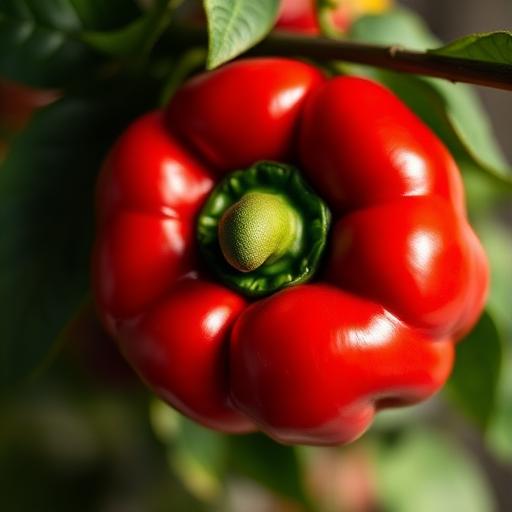
Red Bell Peppers are more than just a colorful addition to your plate; they are a powerhouse of vital compounds. At the heart of their nutritional profile are carotenoids, including capsanthin, beta-carotene, and lutein/zeaxanthin. These compounds are known for their ability to neutralize free radicals in the body, thanks to their potent antioxidant properties. Capsanthin, in particular, gives red bell peppers their vibrant hue and plays a crucial role in protecting cells from oxidative stress.
Beta-carotene acts as a precursor to vitamin A, which is essential for vision health, immune function, and skin integrity. Lutein and zeaxanthin are specifically important for eye health, accumulating in the retina to filter harmful blue light and protect against macular degeneration. The peppers are also rich in Vitamin C, a water-soluble vitamin crucial for collagen synthesis, immune support, and enhancing the absorption of iron. This high concentration of Vitamin C exceeds that found in traditional citrus fruits, showcasing the pepper’s impressive nutritional capacity.
Health Benefits & Effects
The health benefits of red bell peppers are extensive. They are particularly celebrated for their role in supporting eye health, thanks to their high levels of lutein and zeaxanthin, which help protect against macular degeneration and improve night vision. The peppers' antioxidants extend their protective benefits to the cardiovascular system, aiding in the prevention of LDL cholesterol oxidation and promoting healthy blood vessel function.

Beyond eye and heart health, red bell peppers bolster the immune system. Their abundant vitamin C content fuels the production and efficiency of white blood cells, enhancing the body's ability to fend off infections and speed tissue repair. Additionally, their low glycemic index and zero capsaicin content make them a suitable food for those managing metabolic health, offering a sweet taste without the heat or sugar spike.
Practical Use & Preparation
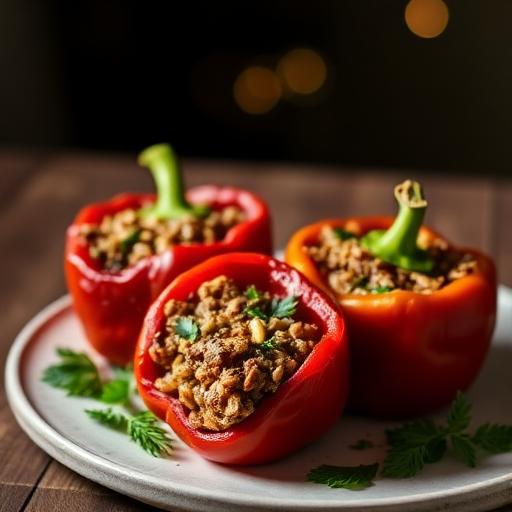
Incorporating red bell peppers into your diet is both versatile and straightforward. Raw slices provide the maximum vitamin C delivery, retaining the plant’s enzyme pathways and offering a refreshing, hydrating snack. Lightly sautéing or roasting breaks down cell walls, improving the bioavailability of fat-soluble nutrients like beta-carotene. This is best done with healthy fats like olive oil to enhance absorption.
For a concentrated antioxidant boost, sweet paprika made from red bell peppers offers a shelf-stable way to add flavor and nutrition to dishes. Cold-pressed sweet pepper juice is another option, providing rapid nutrient uptake. Storage is key: keep peppers whole in the refrigerator to maintain their nutritional integrity. For daily intake, one medium pepper—raw or lightly cooked—is recommended to meet your vitamin needs effectively.
Safety, Interactions & Cautions
While red bell peppers are generally safe for most people, certain groups should take caution. Individuals with sensitivities to nightshades may experience discomfort, and those on blood thinners should monitor vitamin K intake, which can affect blood clotting. High vitamin C levels can enhance iron absorption, posing a risk for those with iron-overload disorders. Rarely, individuals with allergies to latex or tree pollens might experience mild reactions.
It’s wise to consult a healthcare provider if you have existing health conditions or are on medication, ensuring that red bell peppers fit well within your dietary plan without adverse interactions.
Species & Alternatives
Red bell peppers stand out among their Capsicum annuum relatives due to their complete ripeness and nutrient density. Unlike green bell peppers, which are less mature, red peppers offer higher concentrations of nutrients like vitamin C and carotenoids. For those looking for alternatives, orange and yellow bell peppers are also ripe and similarly nutritious, although they may slightly differ in carotenoid content.
For those who need to avoid nightshades altogether, options like carrots or sweet potatoes can offer similar beta-carotene benefits without the potential for nightshade-related issues.
History & Traditional Use
Native to the Americas, red bell peppers have a rich history of cultivation and use. They were first domesticated in Central and South America, where indigenous peoples valued them for their flavor and medicinal properties. Over time, they spread globally, becoming a staple in various cuisines due to their sweetness, versatility, and nutritional benefits.
Today, they are celebrated not only as a culinary ingredient but also as a functional food, supporting modern health and nutrition trends that emphasize whole, nutrient-dense foods.
Myths vs. Evidence
Red bell peppers are sometimes caught in the crossfire of nutrition myths. One common misconception is that all bell peppers are created equal; however, only the ripened red variety provides the full spectrum of nutrients. Another myth is their association with spicy foods, which they debunk entirely by containing no heat-inducing capsaicin.
Evidence supports their role in immune strengthening and eye health, thanks to substantial vitamin C and carotenoid content. Claims of their metabolic and cardiovascular benefits are also grounded in scientific research, making red bell peppers a truly valuable addition to a health-conscious diet.