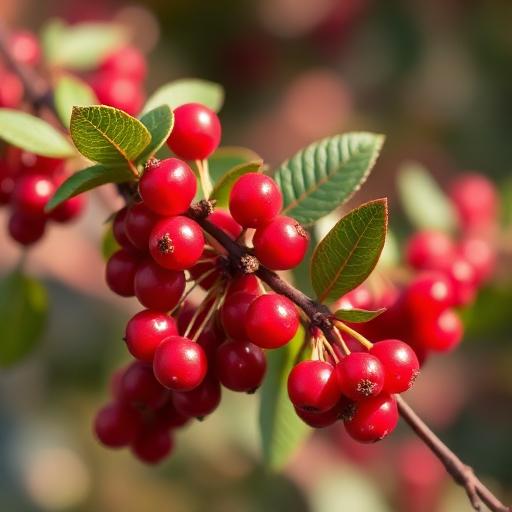
Chemistry & Compounds: Nature's Respiratory Remedy
Wild Cherry Bark, from the black cherry tree (Prunus serotina), is a botanical powerhouse known for its complex chemistry. At the heart of its medicinal efficacy are cyanogenic glycosides, particularly prunasin. When ingested in small, carefully processed amounts, these compounds transform within the body to exert a calming effect on the nervous system. This process helps suppress overactive cough reflexes without the harshness of synthetic alternatives.
In addition to cyanogenic glycosides, Wild Cherry Bark contains tannins and benzaldehyde. Tannins contribute an astringent quality that helps modulate mucus production, solidifying and reducing excess secretions in the respiratory tract. Meanwhile, benzaldehyde lends a rich, almond-like aroma, enhancing the sensory experience of its preparations. Together, these compounds interact smoothly with the body, making Wild Cherry Bark a unique botanical ally in respiratory care.
Health Benefits & Effects: Breathing Easier
Wild Cherry Bark is not just a relic of traditional medicine; its effects are well-documented and continue to be valued today. Its primary health benefit is as an antitussive, effectively suppressing persistent coughs by calming the cough-reflex center in the brain stem. This allows irritated tissues in the respiratory system time to recover and reduces the frequency of unproductive coughing fits.

Beyond cough suppression, Wild Cherry Bark acts as a spasmolytic, relaxing tense bronchial muscles. This action helps open airways, facilitating better oxygen exchange during congestion episodes. Additionally, its astringent properties help manage mucus, drying up excessive secretions in the nasal and bronchial passages. Together, these effects make Wild Cherry Bark a multi-faceted remedy for those seeking natural relief from respiratory discomfort.
Practical Use & Preparation: From Bark to Beneficial
The inner bark of the black cherry tree is harnessed in various forms to maximize its therapeutic potential. Dried inner bark serves as the raw material, aged or processed to ensure safety and effectiveness. Wild Cherry Bark is most commonly found in herbal syrups, which are crafted by simmering the bark to extract its beneficial compounds. This syrup coats the throat, providing immediate soothing relief.
For those seeking a more concentrated dose, liquid tinctures offer a rapid delivery of active compounds. These tinctures are typically diluted in warm water and consumed multiple times a day for acute symptoms. Alternatively, Wild Cherry Bark tea, steeped from dried bark, provides a warming, aromatic option that relaxes the airways and comforts the upper chest.
Safety, Interactions & Cautions: Use with Care
While Wild Cherry Bark offers numerous benefits, it’s crucial to use it cautiously. Its safety is dependent on proper processing, as raw bark contains toxic levels of hydrocyanic acid. Professionally processed supplements neutralize these dangers, but care is still needed in specific populations. Individuals with liver conditions should avoid high doses due to the metabolic demands of cyanogenic compounds.
Those on sedative medications should also exercise caution, as Wild Cherry Bark can amplify drowsiness. It is not recommended for individuals with chronic respiratory conditions like asthma or COPD without professional guidance, as suppressing cough in these cases can lead to mucus entrapment. Pregnant and breastfeeding women should avoid it altogether due to potential risks from cyanogenic glycosides.
Species & Alternatives: Comparing Nature’s Bounty
While Wild Cherry Bark is renowned for its respiratory benefits, it is one among several species within the Prunus genus used for similar purposes. Prunus padus, commonly known as bird cherry, shares some phytochemical properties and has been studied for its potential respiratory benefits. However, Prunus serotina remains the preferred choice for its well-documented efficacy and historical usage.
For those seeking alternatives to Wild Cherry Bark, other natural remedies like marshmallow root and licorice root offer complementary soothing effects on the respiratory system. Each botanical has unique properties and choosing between them often depends on personal preference and specific health needs.
History & Traditional Use: Roots in Tradition
The use of Wild Cherry Bark spans centuries, tracing back to Native American tribes who revered it for its ability to calm irritated respiratory tracts. This traditional knowledge was later embraced by 19th-century pharmacopeias, cementing its place in herbal medicine. Its transition from indigenous practice to modern herbalism highlights its enduring reputation as a reliable remedy for coughs and respiratory discomfort.
The black cherry tree’s inner bark was meticulously harvested and prepared, ensuring the highest concentration of active compounds. This careful attention to detail is mirrored in today’s preparations, maintaining a link between past and present uses.
Myths vs. Evidence: Sorting Fact from Fiction
In the world of herbal remedies, myths often inflate the benefits of natural products. However, Wild Cherry Bark’s reputation is supported by both traditional wisdom and scientific inquiry. Claims of its ability to calm cough reflexes and relax bronchial muscles are well-supported by its chemical profile and historical use.
Nonetheless, it’s important to approach any supplement with a discerning eye. While Wild Cherry Bark is a potent botanical, it’s not a cure-all. Its efficacy is best leveraged for short-term respiratory relief rather than as a daily supplement. Consumers should remain informed, choosing products from reputable sources to ensure safety and authenticity.
References
- Native American Ethnobotany
- Medical Herbalism: The Science and Practice of Herbal MedicineMedical Herbalism: The Science and Practice of Herbal Medicine DAVID HOFFMANN , F.N.I.M.H., A.H.G. Rochester, VT: Healing Arts Press, 2003, 672 pages, ISBN 0-89281-749-6, $60
- Wild Cherry Bark — The Botanical Shield for Respiratory Comfort and Smooth Muscle Relaxation