Chemistry & Compounds
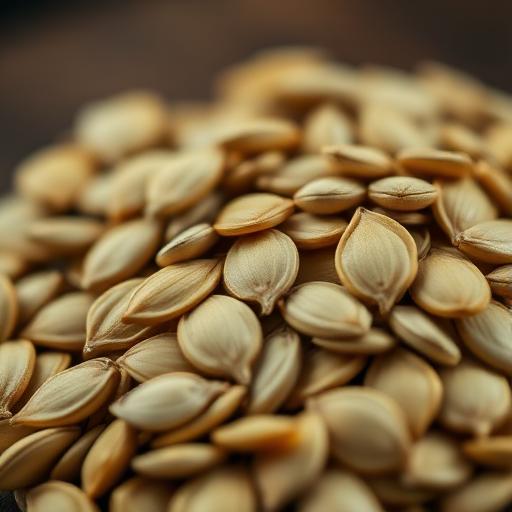
Pumpkin seeds, scientifically identified as Cucurbita pepo, are a concentrated source of not only essential nutrients but also unique bioactive compounds. Among these, delta-7-sterols, tocopherols (Vitamin E), zinc, and L-tryptophan stand out. Each plays a crucial role in the body's biochemistry, working synergistically to support overall health.
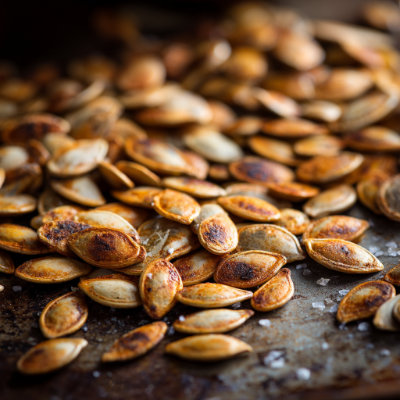
Delta-7-sterols, for instance, are phytosterols that structurally resemble cholesterol. This similarity allows them to interact with biological membranes, potentially influencing hormone metabolism and reducing inflammation. These sterols are known to inhibit the binding of dihydrotestosterone (DHT) to prostate cells, which may help maintain prostate health.
Tocopherols, a form of Vitamin E found in pumpkin seeds, provide antioxidant protection. They neutralize free radicals, reducing oxidative stress that can damage tissues over time. This antioxidant capacity is crucial for protecting cellular integrity and supporting the immune system.
Zinc is another essential mineral abundantly present in pumpkin seeds. It plays a significant role in enzyme function, immune response, and protein synthesis. Zinc is also crucial for wound healing and DNA synthesis, making it a vital nutrient for maintaining overall health.
Lastly, the seeds are rich in L-tryptophan, an amino acid that the body converts into serotonin and melatonin. These neurotransmitters are pivotal for mood regulation and sleep cycle management. The conversion of tryptophan to these compounds helps calm the central nervous system, promoting relaxation and improved sleep quality.
Health Benefits & Effects
The health benefits of pumpkin seeds extend across various physiological systems, thanks to their rich nutrient profile. When consumed regularly, they provide substantial support for metabolic, cardiovascular, prostate, and sleep health.
One of the primary health benefits is their ability to support prostate and urinary tract function. Delta-7-sterols found in pumpkin seeds can help maintain prostate health by preventing the binding of DHT to prostate cells. This action aids in keeping the prostate at a healthy size and may reduce urinary urgency and frequency, especially at night.
Cardiovascular health also benefits significantly from pumpkin seed consumption. The seeds are rich in alpha-linolenic acid (omega-3) and linoleic acid (omega-6), both essential fatty acids that can help in lowering LDL cholesterol levels. This lipid-modulating effect supports arterial health and can contribute to maintaining healthy blood pressure.
Moreover, pumpkin seeds aid in promoting better sleep and enhancing mood. The high levels of L-tryptophan, coupled with magnesium, support the synthesis of serotonin and melatonin, key neurotransmitters involved in sleep regulation. This combination can lead to improved sleep quality and reduced symptoms of insomnia.
Safety, Interactions & Cautions
While pumpkin seeds are generally safe for most people, there are a few considerations to keep in mind when incorporating them into your diet, especially if you are on medication or have certain health conditions.
Individuals taking antihypertensive drugs should monitor their blood pressure closely when consuming pumpkin seed oil. This is due to its natural ability to lower peripheral vascular resistance, which could enhance the effects of blood pressure medications such as beta-blockers or ACE inhibitors.
For those on diuretic medications, the mild diuretic properties of pumpkin seeds necessitate careful monitoring of fluid and electrolyte levels. Their natural diuretic effect could potentially amplify the actions of prescribed diuretics, leading to imbalances.
People managing diabetes or using hypoglycemic agents need to be cautious as well. The active components in pumpkin seeds can improve insulin sensitivity, which might require adjustments in medication dosages to prevent hypoglycemia.
Additionally, individuals with digestive sensitivities should be aware that consuming large amounts of raw, unsoaked pumpkin seeds can cause mild bloating or abdominal fullness due to their high fiber content. Ensuring adequate water intake can mitigate these effects.
Pregnant women, those with pre-existing health conditions, or individuals on chronic medications should consult a healthcare provider before incorporating pumpkin seeds into their diet. This precaution ensures that any potential interactions with medications or health conditions are managed appropriately.
References
- Improvement in HDL cholesterol in postmenopausal women supplemented with pumpkin seed oil: pilot study
- Pumpkin Seed Oil Extracted From Cucurbita maxima Improves Urinary Disorder in Human Overactive Bladder
- World Health Organization Monographs on Selected Medicinal Plants
- Zinc Carnosine — The Targeted Defender of the Gastric Lining