Chemistry & Compounds: The Power Within Garlic
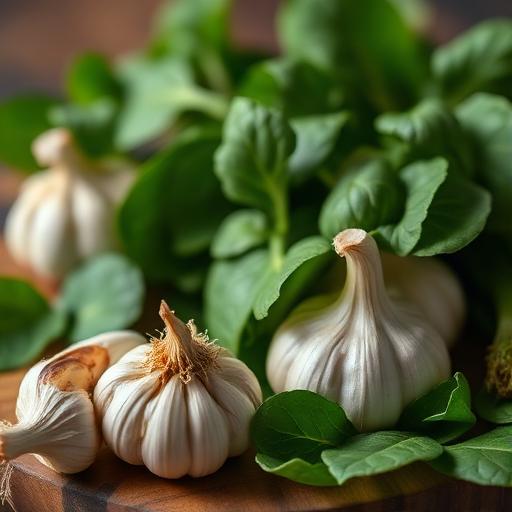
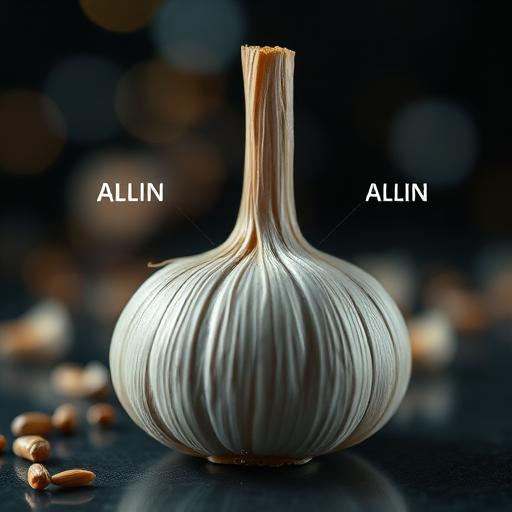
The health benefits of garlic are associated with the various chemical compounds it contains. The most common of these compounds are organosulfur. They are formed as a result of the decomposition of alliin, a natural amino acid found in garlic. This process is initiated by the enzyme alliinase, which is contained in garlic. The most famous and therapeutically significant of the organosulfur compounds is allicin. In addition to allicin, garlic contains other organosulfur compounds such as S-allyl cysteine (SAC), diallyl disulfide, and ajoene. These compounds, in particular SAC, have antioxidant properties, strengthen the immune system, and improve vascular function. The combination of these effects is what makes garlic beneficial for the body.
Health Benefits & Effects: Garlic’s Impact on Wellbeing
Garlic has proven to be beneficial for the human body. It improves cardiovascular function, normalizes cholesterol levels, and strengthens the immune system. Garlic has a vasodilating effect due to the high content of allicin. It also lowers blood pressure by relaxing the muscles of blood vessels and acting as an inhibitor of angiotensin-converting enzyme. In addition, garlic has a positive effect on the lipid profile by reducing levels of bad cholesterol (LDL) and increasing levels of good cholesterol (HDL). The immunostimulating effect of garlic is due to the high content of sulfur-containing compounds. They are responsible for the distinctive smell of garlic and increase the activity of natural killer cells and macrophages, which strengthen the immune system. Therefore, garlic is useful for preventing colds and other viral infections.
Practical Use & Preparation: Unlocking Garlic’s Full Potential
To enjoy the benefits of garlic, it is useful to know how to prepare it. To obtain the maximum amount of allicin, garlic should be used raw. To do this, crush the cloves and leave them for 10 minutes to activate the enzyme alliinase. Aged garlic extract (AGE) is another form of garlic that does not irritate the digestive tract. It is obtained by extracting allicin from garlic cloves and aging the extract for several months. This method is suitable for people who want to reduce the burning sensation that fresh garlic can cause. In addition, garlic can be used in cooking. However, high temperatures destroy some of the beneficial substances contained in it. Therefore, it is better to use garlic in its raw form. To do this, it is enough to put the crushed cloves in a dish a few minutes before cooking. If a person does not want to use raw garlic, they can take garlic oil capsules. They contain a concentrated dose of fat-soluble sulfur compounds and are convenient in use. Thus, there are several methods of preparing garlic to preserve its beneficial effects on the body.
Safety, Interactions & Cautions: Navigating Garlic’s Potency
In most cases, garlic is beneficial to the human body. However, it cannot be used by everyone. It is not recommended to use garlic in high doses without consulting a doctor. In particular, garlic reduces blood clotting, so it should not be used in combination with anticoagulants such as Warfarin or Aspirin. In addition, people taking HIV protease inhibitors should not use garlic supplements. This is due to the fact that high doses of garlic may interfere with the work of these inhibitors. In addition, people with digestive tract diseases should be careful when using garlic. It may irritate the stomach and aggravate the disease. In particular, people with GERD or IBS should be very careful when using garlic. If a person wants to use garlic supplements, they should consult a doctor to avoid adverse effects. Thus, garlic is generally beneficial to the human body, but it should be used with caution.
Species & Alternatives: Garlic’s Botanical Relatives
Garlic belongs to the allium family, so it has a lot in common with onions, leeks, and shallots. These plants are similar to garlic in terms of nutritional content and health benefits. However, they may have a less intense flavor, making them a good alternative for people who are used to the strong taste of garlic. These foods contain many beneficial substances that strengthen the body and stimulate the immune system. However, they are not as rich in allicin as garlic, so they are not as beneficial for the cardiovascular system. If a person cannot use garlic, they can choose from the alternatives indicated above. In this case, onions will be the most appropriate, as they are the most similar to garlic in terms of content and benefits. In addition, there are preparations made from garlic, such as aged garlic extract, which are useful for health and have a less pronounced garlic taste. Thus, there are several ways to enjoy the benefits of garlic without causing discomfort to the taste buds.
History & Traditional Use: Garlic’s Journey Through Time
Garlic has been used for medicinal purposes for thousands of years. The ancient Egyptians and Greeks were among the first to use it. Notably, the Egyptians used it as a natural stimulant, while the Greeks attributed healing properties to it. Today, garlic is still famous for its health benefits and has been the subject of much research. The beneficial properties of garlic have been confirmed by science, and it has become a popular addition to the diet of many people. Thus, garlic has come a long way from the ancient world to the present day and continues to be beneficial for human health.