
Oranges are more than just a popular snack; they’re nutritional powerhouses that offer a host of health benefits. Known for their high vitamin C content, these citrus fruits support the immune system, promote cardiovascular health, and even help prevent kidney stones. Let’s explore how the humble orange can contribute to your well-being in several impactful ways.

Antioxidant and Immune Support
The vitamin C in oranges is a potent antioxidant, helping to neutralize harmful free radicals that can damage cells and accelerate aging. In addition to warding off oxidative stress, vitamin C enhances the immune system by boosting the production and function of white blood cells, such as lymphocytes and phagocytes. These cells are crucial for defending the body against infections and illnesses. Furthermore, vitamin C enhances the absorption of non-heme iron, which is found in plant-based foods, making oranges an excellent choice for vegetarians looking to increase their iron intake.
Cardiovascular Health
Oranges are rich in hesperidin, a flavonoid that has been shown to improve blood vessel function. This compound supports the endothelium, the inner lining of blood vessels, which plays a key role in regulating blood flow and pressure. Regular consumption of oranges can lead to better circulation and naturally lower blood pressure, reducing the risk of cardiovascular diseases. Eating one to two oranges a day is associated with improved antioxidant status and reduced inflammation markers, making them a simple addition to a heart-healthy diet.

Preventing Kidney Stones
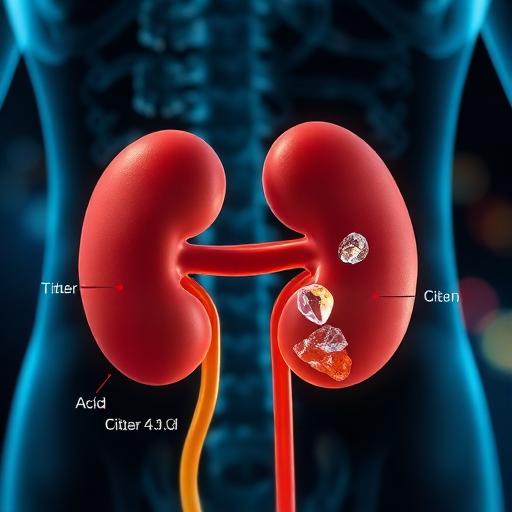
Citric acid and citrates present in oranges are effective in preventing kidney stones. These compounds increase the alkalinity of urine, which helps prevent the formation of kidney stones by inhibiting the growth of calcium oxalate crystals. For individuals prone to kidney stones, incorporating oranges into the diet could offer a natural preventive measure.
Nutrient Bioavailability
The nutrients in oranges are more bioavailable than those found in isolated supplements. This means the body can absorb and utilize these nutrients more effectively. The whole fruit, which includes the pulp and pith, contains enzymes and fiber that further enhance nutrient absorption. The white pith, often discarded, is particularly high in flavonoids, making it beneficial to include in smoothies or consume as part of the whole fruit.
Practical Tips for Consumption
For maximum health benefits, it’s best to consume the whole fruit, which retains its fiber content and slows sugar absorption. Freshly squeezed orange juice offers a concentrated source of vitamin C and flavonoids but lacks the fiber found in the whole fruit. When opting for juice, choose 100% juice without added sugars to maintain its natural benefits.
Storing oranges at room temperature can preserve their flavor, but refrigeration extends their shelf life without significant nutrient loss. To increase iron absorption, pair oranges with iron-rich foods like spinach or lentils. If you’re zesting oranges, opt for organic varieties to avoid pesticide residue, and use the zest to enhance dishes with an additional polyphenol boost.
Potential Considerations
While oranges are beneficial for most people, they can have potential interactions. Those with acid reflux or GERD should be cautious, as the acidity of oranges might trigger symptoms. Additionally, individuals on certain medications, such as cholesterol-lowering statins, should consult a healthcare provider before increasing their citrus intake, as interactions could occur. People with advanced chronic kidney disease should also monitor their potassium intake, as oranges are high in this mineral.
Conclusion
Oranges are a versatile and delicious addition to a balanced diet, providing a myriad of health benefits. From supporting the immune system and cardiovascular health to preventing kidney stones, the nutrients packed into this vibrant fruit work synergistically to promote overall wellness. As research continues to uncover more about their potential benefits, including roles in cognitive health, oranges remain an essential component of a health-conscious lifestyle. So next time you reach for a snack, consider the orange—it’s a small fruit with big benefits.
References
- Hesperidin contributes to the vascular protective effects of orange juice: a randomized crossover study in healthy volunteers
- Vitamin C and Immune Function
- Lemons: Diversity and Relationships with Selected Citrus Genotypes as Measured with Nuclear Genome Markers
- Apigenin — CD38 Inhibitor & NAD+ Booster