
Iodine often flies under the radar when we talk about nutrition, yet it plays an irreplaceable role in keeping our bodies functioning smoothly. As a vital component of thyroid hormones—specifically triiodothyronine (T3) and thyroxine (T4)—iodine is essential for regulating our metabolism, managing energy production, controlling body temperature, and even influencing heart rate. Without it, these hormones simply can't perform their crucial duties.
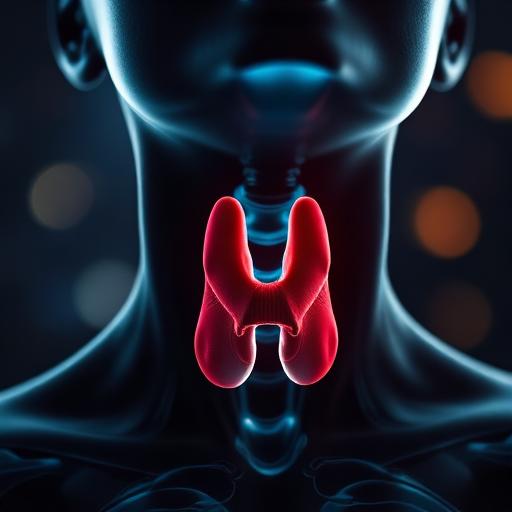
The thyroid gland, a butterfly-shaped organ located in the neck, might be small, but it’s mighty. It acts as the body's thermostat and metabolic engine, and iodine is the fuel that keeps it running. These hormones ensure our cells convert nutrients into energy efficiently, which is why a lack of iodine can throw the entire system off balance. When the thyroid struggles to function due to insufficient iodine, symptoms like fatigue, weight gain, and sensitivity to cold can emerge. More severe deficiencies can lead to goiter, a swollen thyroid gland, and developmental issues in children.
While iodine deficiency is less common in many developed countries thanks to iodized salt, it’s still a significant concern worldwide. The World Health Organization estimates that around 2 billion people have insufficient iodine intake. This is particularly worrisome for pregnant women, as iodine is critical for fetal brain development. A deficiency during pregnancy can lead to intellectual disabilities and growth issues in children.
The modern diet can be a bit of a minefield when it comes to ensuring adequate iodine intake. Processed foods, which are notoriously low in iodine, dominate many diets today. Moreover, the trend of using non-iodized gourmet salts can contribute to a decrease in iodine consumption. Fortunately, there are multiple ways to incorporate iodine into your diet.
Seafood, such as fish and shrimp, is an excellent source of iodine. Seaweed, particularly varieties like kelp, is also rich in this mineral. Dairy products and eggs can contribute to iodine intake as well. For those who follow a plant-based diet, it might be worthwhile to consider iodine supplements, especially if dietary sources are limited. Still, it’s essential to avoid excessive iodine as it can also lead to thyroid dysfunction.
Iodine isn't just about physical health; it has a significant impact on mental well-being too. The thyroid hormones, which rely on iodine, influence brain function and mood. An underactive thyroid, due to low iodine, can lead to symptoms of depression and cognitive issues. Ensuring your iodine levels are adequate is a simple yet effective way to support both your physical and mental health.
Awareness and education are key to tackling iodine deficiency. Public health initiatives, like iodine fortification in salt, have made a significant impact. However, individual choices also play a critical role. Being mindful of your iodine intake and adjusting your diet accordingly can go a long way in maintaining optimal health.
In a world where we often focus on macronutrients like proteins, fats, and carbohydrates, it's crucial not to overlook the tiny but mighty micronutrients. Iodine might be small, but its impact on our health is anything but. So next time you sprinkle salt on your meal, think of it as more than just a flavor enhancer—it's a tiny dose of a crucial nutrient that keeps your body and mind running smoothly.