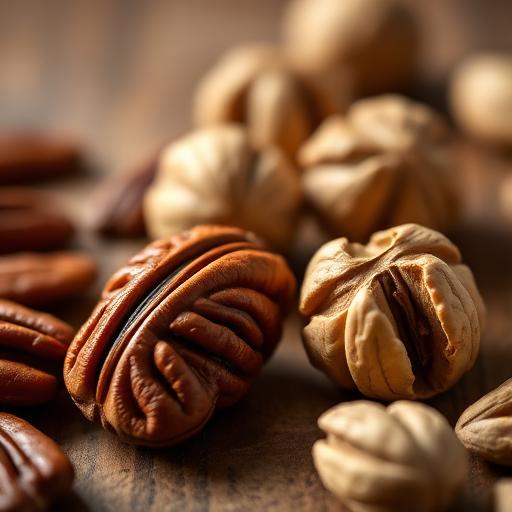
Chemistry & Compounds
Walnuts are nutritional powerhouses, thanks largely to their unique chemical composition. At the forefront are omega-3 fatty acids, specifically alpha-linolenic acid (ALA), which is crucial for maintaining brain health. No other common tree nut matches walnuts in their ALA content. This omega-3 fatty acid is integral to suppressing inflammation and supporting cardiovascular health. Alongside ALA, walnuts contain ellagitannins and polyphenols, bioactive compounds that enhance their anti-inflammatory and antioxidant properties.

Ellagitannins in walnuts are metabolized by gut bacteria into urolithins. These metabolites cross the blood-brain barrier, neutralizing oxidative stress and protecting cognitive function. Additionally, walnuts contain L-arginine, an amino acid that helps improve blood flow by boosting nitric oxide production, which in turn enhances arterial elasticity. The combination of these compounds in a whole-food matrix facilitates their absorption and efficacy, making walnuts a uniquely effective food for health maintenance.
Health Benefits & Effects
Walnuts offer a range of health benefits, primarily due to their rich nutrient profile. They are a boon for cardiovascular health, as their compounds work to reduce LDL cholesterol, improve arterial function, and support healthy blood pressure. This makes them a valuable addition to diets focused on heart health.

Beyond cardiovascular benefits, walnuts contribute to brain health. Their omega-3 and ellagitannin content help mitigate neuro-inflammation, a factor in age-related cognitive decline. Walnuts also have a positive impact on gut health. Their prebiotic properties promote the growth of beneficial bacteria, such as Lactobacillus, which enhances the production of short-chain fatty acids like butyrate, known for their gut health benefits.
Practical Use & Preparation
Incorporating walnuts into your diet is straightforward, given their versatility. They can be enjoyed raw, which preserves their nutrient integrity, or used in culinary applications like salads and pestos. Roasted walnuts offer a deeper flavor but must be prepared at low temperatures to avoid degrading their delicate fats. Walnut oil, a concentrated source of ALA, is excellent for drizzling over dishes but should not be used for high-heat cooking.
For those seeking a plant-based milk alternative, walnut milk provides a nutrient-dense option rich in essential fats and minerals. Proper storage is crucial; keep walnuts in an airtight container in the fridge or freezer to prevent rancidity. A daily intake of 28 to 56 grams is recommended for optimal health benefits.
Safety, Interactions & Cautions
While walnuts are nutrient-rich, there are safety considerations. Individuals with tree nut allergies should avoid walnuts entirely due to the risk of severe reactions. Walnuts contain phytic acid, which can bind minerals like iron and zinc, so those with mineral deficiencies should monitor their intake. Their high caloric density means they should replace rather than add to existing dietary fats for those watching their calorie intake.
People on anticoagulant medications should be cautious, as the high omega-3 content can have mild blood-thinning effects. As always, anyone with existing health conditions or on medication should consult a healthcare professional before making significant dietary changes.
Species & Alternatives
Compared to other nuts, walnuts are unparalleled in their omega-3 content, particularly ALA. Pecans, another popular nut, share some health benefits but differ in their nutrient composition. While pecans are rich in monounsaturated fats and antioxidants, they lack the omega-3 concentration found in walnuts. For those unable to consume walnuts, chia seeds and flaxseeds offer alternative sources of plant-based omega-3s.
History & Traditional Use
Walnuts have a rich history dating back thousands of years. Originating from the regions surrounding the Mediterranean and Central Asia, they were prized in ancient cultures for both their nutritional and medicinal properties. The English walnut, specifically, has been cultivated for its delicate flavor and health benefits. Over time, walnuts have embedded themselves in various culinary traditions worldwide, symbolizing health and vitality.
Myths vs. Evidence
Walnuts have been the subject of numerous claims, some more substantiated than others. While they are indeed beneficial for heart and brain health, they are not a cure-all. The evidence supports their role in reducing heart disease risk and supporting cognitive function. However, claims that they can significantly reverse cognitive decline or drastically alter emotional states are less supported by current research. As with any food, walnuts should be part of a balanced diet rather than relied upon as a singular health solution.
References
- Role of Walnuts in Maintaining Brain Health with Age
- Health Benefits of Nut Consumption
- Dietary ??Linolenic Acid, Marine ??3 Fatty Acids, and Mortality in a Population With High Fish Consumption: Findings From the PREvención con DIeta MEDiterránea (PREDIMED) Study
- Walnut — The Supreme Plant Source of Brain-Boosting Omega-3s