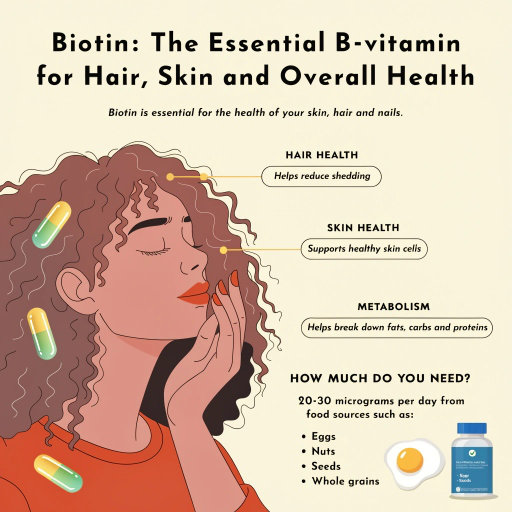
Biotin, also known as vitamin B7, is a water-soluble vitamin. Biotin is one of the B-complex vitamins and is essential for the healthy functioning of the body. It is well known that biotin improves the condition of the hair, skin, and nails. However, this vitamin is involved in many more processes in the human body.
Hair and Skin Benefits
The most well-known effects of biotin are related to the improvement of the state of the hair, skin, and nails. This vitamin is beneficial for these parts of the body because it helps to strengthen keratin, the protein from which these tissues are made. Taking biotin helps to reduce hair brittleness and split ends and strengthen the nails. People whose bodies lack this vitamin may experience symptoms such as thinning hair, brittle nails, or splitting hair. Therefore, taking biotin supplements most often helps to eliminate these problems.
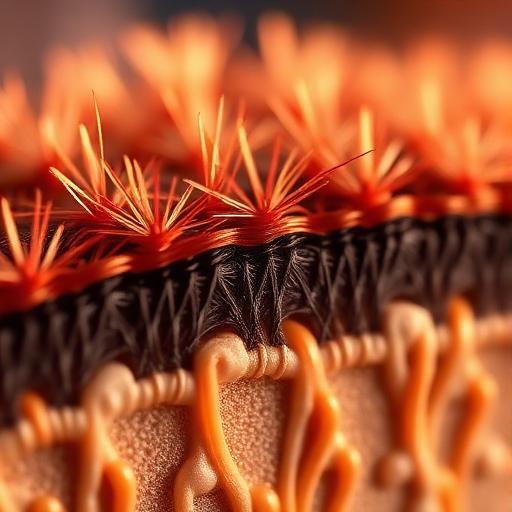
Biotin also helps to maintain the skin’s water barrier, so it prevents excessive dryness. There is no solid scientific evidence directly proving that biotin is beneficial for the skin, but many users report positive effects. For example, taking biotin may improve the skin’s hydration and strengthen its water barrier.
Metabolism
Biotin is beneficial for more than just the skin, hair, and nails. This vitamin is essential for the metabolic processes that occur in the human body. It is involved in the breakdown of carbohydrates, fats, and proteins and converting them into energy. In other words, biotin helps the body to burn calories and make energy, which is essential for its proper functioning. Biotin supplementation may help to normalize blood sugar levels and reduce blood sugar, which could prevent many metabolic diseases.
Moreover, biotin, in combination with the mineral chromium, improves insulin sensitivity and glucose tolerance. Therefore, biotin may help control blood sugar and reduce blood sugar levels, which is particularly important for people with diabetes.
Treatment of Biotin Deficiency
Although biotin deficiency is rare, it can still occur. The main symptoms of deficiency are hair loss, thinning hair, brittle nails, and skin rashes. Some people may experience additional symptoms such as muscle weakness or tingling, depression, or fatigue. People with genetic disorders, pregnant women, and those who consume raw egg whites may be at greater risk for biotin deficiency. Avidin, a protein found in raw egg whites, inhibits biotin absorption.
Biotin is easily absorbed from food, so biotin deficiency can rarely be due to an insufficient diet. However, there are many foods in nature that are beneficial for the human body and contain biotin in abundance. These are eggs, nuts, seeds, and some vegetables. In addition, biotin is contained in many pharmaceutical products, including multivitamin complexes and cosmetics. Nevertheless, biotin supplements should be taken with caution; it is important to consult a doctor to determine the optimal dose that is suitable for the body.
Thus, biotin is a vitamin that is beneficial for the body for many reasons. Firstly, it helps to strengthen the skin, hair, and nails, which is why it is so popular among people who want to improve the state of these tissues. Secondly, biotin is beneficial for the body since it is involved in metabolic processes and breaking down nutrients.