
For millions of people managing thyroid conditions, the journey often starts and ends in a doctor's office with prescriptions and lab tests. But a quiet revolution in nutritional science suggests there's more to the story. Nutrients like selenium, iodine, zinc, and vitamin D are emerging as key players in supporting thyroid health, shifting some focus back to what’s on our plates.

The thyroid, a small gland in the neck, might be tiny, but it has a big job. It regulates metabolism, energy levels, and even mood. When it doesn’t function properly, life can feel off-kilter. Hypothyroidism, where the thyroid is underactive, can lead to fatigue, weight gain, and depression. Meanwhile, hyperthyroidism, an overactive thyroid, can cause anxiety, weight loss, and insomnia. While medications are often necessary, nutrition can play a supporting role in managing these conditions.
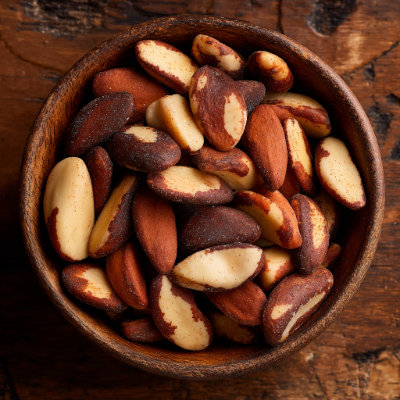
Selenium is one of the key nutrients in this nutritional toolkit. This mineral is vital for the production of thyroid hormones and helps protect the gland from oxidative stress. Brazil nuts, a rich source of selenium, can be an easy addition to the diet. Just a few nuts a day can provide the recommended amount of selenium, supporting healthy thyroid function.
Iodine is another critical nutrient for the thyroid, as it’s a primary building block of thyroid hormones. While iodine deficiency is rare in many parts of the world due to iodized salt, it's still worth paying attention to your intake. Seafood, dairy products, and eggs are excellent sources of iodine. However, it’s important not to go overboard, as too much iodine can also cause thyroid issues.
Zinc plays a supportive role by contributing to the production and regulation of thyroid hormones. It also helps convert inactive thyroid hormone (T4) into its active form (T3). Foods high in zinc, such as oysters, beef, and pumpkin seeds, can be beneficial additions to a thyroid-friendly diet.
Vitamin D, often called the "sunshine vitamin," has been gaining attention in the realm of thyroid health. It’s known for its role in bone health and immune function, but studies suggest it may also influence thyroid function. Many people have low vitamin D levels, especially those who live in areas with less sunlight. Fortified foods, fatty fish, and responsible sun exposure can help maintain adequate vitamin D levels.
While these nutrients are important, they’re just part of the puzzle. A balanced diet that includes a variety of foods will provide the best support for thyroid health. It’s crucial to consult with healthcare providers before making any significant changes to your diet or taking new supplements, as individual needs can vary widely.
The conversation about thyroid health is expanding beyond prescriptions and lab results. By incorporating key nutrients into a balanced diet, people with thyroid conditions can support their overall health and potentially improve their quality of life. So, next time you’re at the dinner table, consider how your meal might be nurturing your thyroid. After all, sometimes the best medicine is on your plate.