When we think about nutrition and the maintenance of the health of our bones and joints, the first substance that comes to mind is calcium. However, there is another compound that may be beneficial for the health of our joints and bones – vitamin E.
This nutrient is thought to have a profound effect on the musculoskeletal system. In addition, vitamin E is a potent antioxidant.
Oxidative stress is the process by which free radicals damage other molecules in the body, and this can lead to chronic inflammation. Inflammation, in turn, is a major contributor to the development of many diseases, including those that affect the musculoskeletal system.
By virtue of its antioxidant properties, vitamin E can block the destructive effects of oxidative stress.
This, in turn, has a downstream effect on decreasing inflammation throughout the body, including in the joints and bones. Recent research has begun to highlight the potential for vitamin E to play a role in the prevention or management of diseases such as osteoporosis.
Osteoporosis is a condition characterized by decreased bone density, which can result in fractures and other severe complications.
The mechanisms by which vitamin E may be beneficial in this condition are not fully elucidated, but researchers suspect that this nutrient may have a protective effect on the cells that are responsible for breaking down and rebuilding our bones.
These cells are called osteoblasts, and vitamin E may increase their activity. Another cell type, called osteoclasts, are responsible for breaking down old bone material, and vitamin E may inhibit their activity. This effect of vitamin E has been shown to be most prominent with a subtype of this vitamin called tocotrienols.
The effects of vitamin E extend to the joints, as well.
A condition called arthritis, which is characterized by destruction of the articular (or freely moving) joints, can also be mitigated to some extent by vitamin E.
In one study, patients who had been diagnosed with this condition showed a significant improvement in the signs and symptoms of their disease after vitamin E supplementation. Vitamin E decreased the degree of inflammation and swelling of the joints, which can be quite debilitating.
This means that patients who supplement with this nutrient can potentially retain more mobility and functionality of their joints.
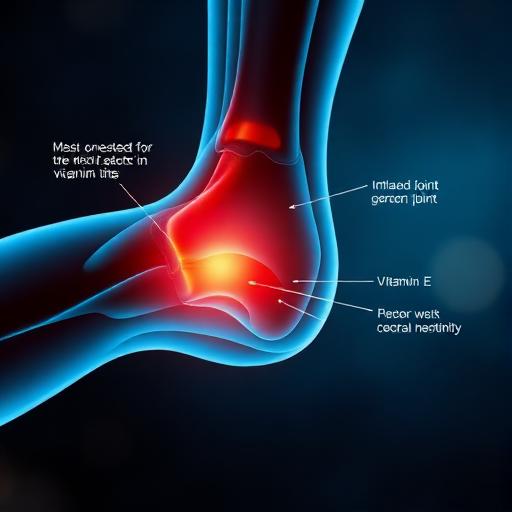
Vitamin E may also help those of us who lead very active lifestyles or those who have suffered an injury by facilitating the healing process. As an antioxidant, vitamin E can decrease the amount of damage that is done to the muscles during strenuous physical activity. This, in turn, accelerates the rate of muscle recovery.
It should be emphasized that vitamin E is only one component of a healthy diet that supports the health of the musculoskeletal system. There are other nutrients that should be consumed alongside vitamin E to maintain the health of your bones and joints.
In addition, vitamin E supplements should be taken with caution, as high levels of this nutrient can be toxic. Always consult a medical professional before adding any supplements to your diet.
It appears that the role of vitamin E in our bodies is much more complex and multi-faceted than previously thought.
Not only does it have beneficial effects on the cardiovascular system and the integumentary system, but it can also have positive downstream effects on the health of our bones and joints. So, go ahead – munch on some nuts and greens!