
When considering the health of our brains, dietary copper may not be the first nutrient that comes to mind. However, this trace mineral plays an essential role in keeping our brains healthy and may even impact how our brains age. Let's explore the vital role copper plays in the health of our brains as our knowledge of it continues to grow.
There are several important roles that copper plays in the body, including the brain. Copper helps to produce neurotransmitters, which are needed for the communication that occurs between neurons. This communication is essential for many bodily functions, including memory and behavior. Another essential role copper plays is its involvement in the creation of ATP, or cellular energy. The brain requires a lot of energy to function correctly, and copper aids in this process.
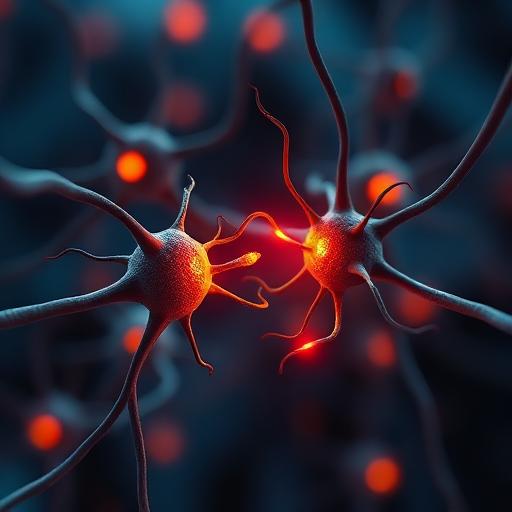
Research on the relationship between copper and brain health is ongoing, and there is evidence suggesting that copper deficiency may contribute to age-related memory loss and brain deterioration. In some studies, those with neurodegenerative diseases have been found to have low copper levels. While this may suggest a connection between low copper levels and brain function, more research is needed to fully understand this relationship. It is evident, however, that copper is integral to brain health and should not be overlooked.
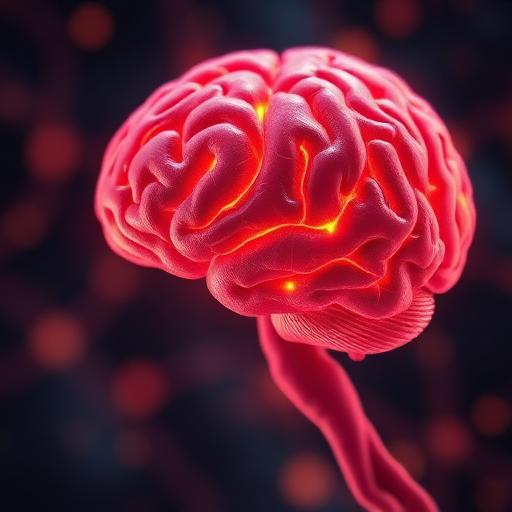
While copper is necessary for good brain health, it is also important to be careful not to consume too much copper. Excess copper can lead to toxicity in the body, which can be damaging to neurons and can cause cognitive decline. With this in mind, it is important to ensure you are consuming the right amount of copper for your body type and health.
Copper can be found in a variety of foods, so it is fairly easy to ensure you are getting enough of it each day. Copper-rich foods include shellfish, nuts, seeds, and whole grains. Organ meats are also a good source of copper. If you are vegetarian or vegan, some good sources of copper for you would include legumes, leafy green vegetables, and mushrooms.
It is important to note that everyone's dietary needs are different. While most people should be able to get the recommended amount of copper through diet alone, some people may need to take steps to increase their copper intake. It is always best to consult with a medical professional or dietician if you have questions about your copper intake.
The human brain is a complex and fascinating organ that is responsible for controlling nearly every system in the body. In order to function properly, the brain must have proper nutrients, and copper plays a large part in this process. Understanding copper's relationship with the brain can help us ensure that our brains will remain healthy as we age.