Boron: The Unsung Hero in Health and Wellness
When it comes to minerals essential for our health, boron might not be the first to come to mind. Yet, this trace mineral, often overshadowed by its more famous counterparts like calcium and magnesium, plays a crucial role in various bodily functions, especially in bone health, arthritis management, and even cancer prevention.
Boron is a key player in the body's utilization of vitamin D, which is vital for maintaining strong bones. It works synergistically with vitamin D to enhance the absorption of calcium and magnesium, two minerals that are critical for bone density and overall skeletal health. With osteoporosis and bone fractures being significant health concerns, especially among the aging population, ensuring adequate boron intake can be a simple yet effective way to support bone strength and reduce the risk of fractures.
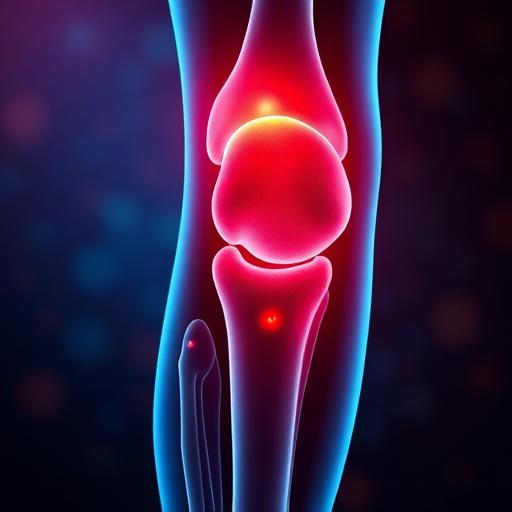
But boron's benefits don't stop at bone health. It has shown promise in easing arthritis pain. Arthritis, which affects millions worldwide, is characterized by joint inflammation and can lead to severe discomfort and decreased mobility. Boron's anti-inflammatory properties can help alleviate this pain, improving quality of life for those suffering from this chronic condition.
Perhaps one of the most exciting areas of boron research is its potential role in cancer prevention and management, particularly concerning prostate cancer. Studies have indicated that boron can reduce tumor size in the prostate by up to 38% and lower prostate-specific antigen (PSA) levels by an impressive 89%. PSA is a protein produced by both normal and malignant cells of the prostate gland, and elevated levels can be a marker of prostate cancer. By reducing these levels, boron may contribute to lowering the risk and progression of prostate cancer.
Despite these promising benefits, boron remains relatively underappreciated in mainstream nutrition discussions. It's naturally present in many foods, including fruits like apples and pears, nuts, and legumes. However, depending on dietary habits and soil quality, some individuals might not get enough boron through diet alone.
For those considering boron supplements, it's crucial to consult with a healthcare provider. While boron is beneficial in appropriate amounts, excessive intake can lead to adverse effects. As with many nutrients, balance is key.
Boron might not have the household recognition that calcium or vitamin D enjoys, but its impact on health is significant. By supporting bone health, easing arthritis pain, and offering potential protection against prostate cancer, this unassuming mineral deserves a place in conversations about nutrition and wellness. Whether through dietary intake or supplementation, ensuring adequate boron levels could be an important step toward better health.