
Cancer prevention is a topic that resonates with many of us, particularly when it comes to the role diet plays in reducing risk. Dr. Saurabh Sethi, a gastroenterologist with training from AIIMS and Harvard, emphasizes the value of incorporating specific foods into your diet to help lower cancer risk. He points to carrots, garlic, and broccoli as powerful allies in this endeavor.
Carrots are often celebrated for their vibrant color and sweet crunch, but they offer more than just aesthetic and taste appeal. They are rich in beta carotene, a powerful antioxidant that the body converts into vitamin A. This nutrient is essential for maintaining healthy cells and can play a role in reducing the risk of certain types of cancer. Antioxidants like beta carotene help combat oxidative stress, which can damage cells and lead to cancer development.
Garlic, with its pungent aroma and flavor, is another food that Dr. Sethi recommends. Garlic contains allicin, a compound that emerges when garlic is crushed or chopped. Allicin is known for its anti-inflammatory properties, which can be crucial in reducing cancer risk. Chronic inflammation is a known factor in the development of cancer, as it can lead to changes in the cellular environment that encourage cancerous growth. By adding garlic to your meals, you’re not just enhancing flavor—you’re potentially curbing inflammation that could lead to cancer.
Broccoli, a member of the cruciferous vegetable family, is the third food Dr. Sethi highlights. It contains sulforaphane, a compound that has been extensively studied for its anti-cancer effects. Sulforaphane may help inactivate carcinogens, reduce inflammation, and protect cells from DNA damage. Regular consumption of broccoli can be a delicious and effective strategy to support overall health and reduce cancer risk.
Incorporating these foods into your diet is relatively simple. Carrots can be enjoyed raw, roasted, or blended into soups and smoothies. Garlic can be added to a wide array of dishes, from pasta sauces to roasted vegetables. Broccoli can be steamed, sautéed, or even enjoyed raw in salads. The versatility of these foods makes it easy to include them in daily meals without much fuss.
While these foods have specific compounds that may reduce cancer risk, it's important to remember that diet is just one piece of the puzzle. Other lifestyle factors such as regular physical activity, maintaining a healthy weight, and avoiding tobacco and excessive alcohol consumption are also critical components of cancer prevention.
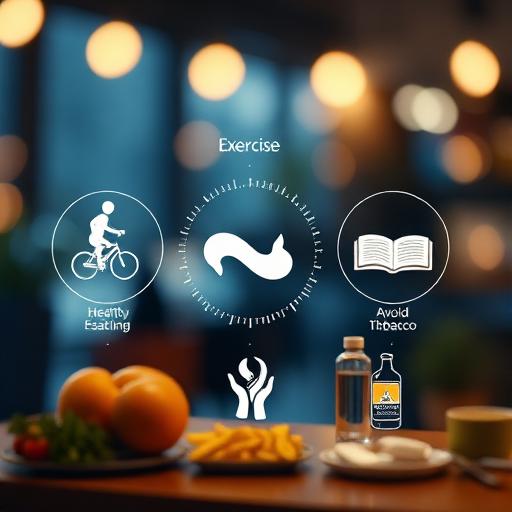
It’s also worth noting that no single food or nutrient can guarantee cancer prevention. A balanced and varied diet, rich in fruits, vegetables, whole grains, and lean proteins, is the best approach to supporting overall health and reducing disease risk.
Dr. Sethi’s advice underscores the significant role diet can play in maintaining health and preventing disease. By making mindful choices about what we eat, we can take proactive steps toward reducing our risk of cancer and promoting a healthier future.