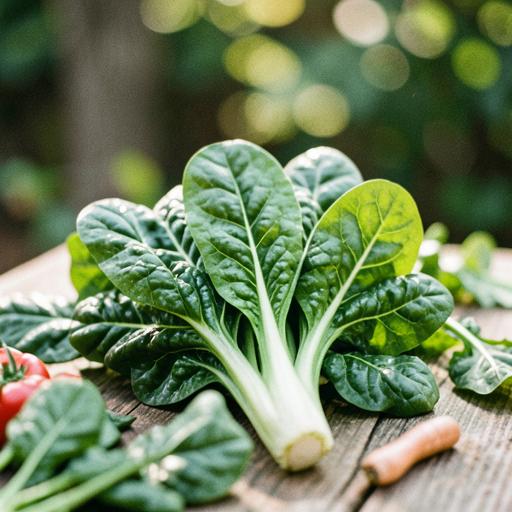
Swiss chard is a highly nutritious vegetable. Despite not being as widely recognised as kale and spinach, Swiss chard has many positive effects on health including contributing to heart health, bone health and vision, as well as assisting in the body’s detox process.
[PICTURE: https://nutrientshield.com/ai_images/news-articles/article_41366_inline_1.jpg Swiss Chard Dolmades /recipes.php?q=Swiss+Chard+Dolmades&focus=3382]
Although people may initially notice Swiss chard’s coloured stalks and large green leaves, it is really the nutritional value that makes this vegetable so desirable. It contains high quantities of vitamins K, A, C and E – all of which are beneficial for health. Vitamin K is an important vitamin for both blood coagulation and bone health. In one cup of cooked Swiss chard, an individual will receive over 600% of their daily requirement for this vitamin. Vitamins A and C are also powerful antioxidants and are important for the immune system and skin health.
As well as being rich in vitamins, Swiss chard is also full of a diverse range of minerals. For example, magnesium and calcium are key for good bone and muscle health. Potassium is also present, and is important in controlling blood pressure. Iron is necessary for the transportation of oxygen within the body; therefore, Swiss chard is a good food source of iron, particularly for vegetarians and vegans.
Alongside being high in vitamins and minerals, Swiss chard is also high in antioxidants. These fight against harmful free radicals within the body. Furthermore, Swiss chard contains beta carotene, which is a form of vitamin A and is recognised for its favourable impact upon eye and immune health. Another group of antioxidants, flavanoids, also exist in Swiss chard. These have anti-inflammatory properties and can additionally be beneficial for heart health. Moreover, Swiss chard is rich in betalains – natural colouring agents that also offer anti-inflammatory and detoxifying properties.
Another not so well known antioxidant that is present in Swiss chard is alpha lipoic acid. This has been of interest recently due to its potential to reduce blood sugar levels and improve insulin sensitivity, and is therefore of particular relevance to those with type 2 diabetes. Alpha lipoic acid is also an antioxidant and so can be advantageous in the reduction of free radicals within the body. Free radicals are implicated in many long-term conditions.
Swiss chard is a very adaptable and straightforward vegetable to cook. It has a subtle, mildly nutty taste. It can be sautéed with garlic and olive oil to make a tasty accompaniment, and can also be added to soups and stews to further enhance their nutritional value. Alternatively, it can be used in smoothies to add a green element. Often disregarded, Swiss chard’s stalks can also be cooked and eaten. They can be prepared until soft and then used to add colour and interest to food.
As well as being highly nutritious, Swiss chard is an environmentally friendly option. It is a robust plant that can thrive in different environmental conditions and so can be grown by many people. Hence, whether you want to increase your nutritional consumption or wish to try out different foods, Swiss chard is a tasty and healthy choice.
Therefore, when next shopping, why not include some Swiss chard in your grocery list? This is a simple way to increase the nutritional value of your diet and can have a major positive effect on your health. With such an extensive list of health enhancing properties and its adaptability in cooking, Swiss chard could well become your preferred leafy vegetable!
The Superfood- Swiss Chard