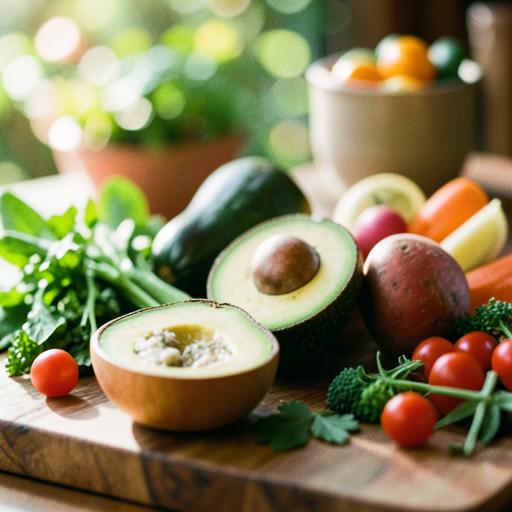
Avocados are a highly nutritious food and contain many beneficial nutrients including; good fats, fibre and a variety of vitamins. Often described as ‘Nature's Butter’, apart from being wonderfully tasty, avocados provide good cardiovascular support and can also aid in the body's absorption of nutrients.
[PICTURE: https://nutrientshield.com/ai_images/news-articles/article_11032_inline_1.jpg | Recipe – Chicken Saute with Oranges and Avocados | /recipes.php?q=Chicken+Saute+with+Oranges+and+Avocados&focus=8172]
Chemistry
Compared to other fruits, avocados are unusual in that they are predominantly high in fat content. The key components within avocados providing health benefits include Monounsaturated Fatty Acids (predominantly containing oleic acid) and phytosterols. Oleic acid is a good fat, used by the body to regulate cholesterol and also to assist in anti-inflammatory processes. Phytosterols are plant derived and have a similar molecular structure to cholesterol. They are recognised for their ability to inhibit intestinal cholesterol absorption so are helpful in lowering cholesterol. Avocados also provide good levels of potassium and fibre; both of which help to support good blood pressure and gastrointestinal health. Collectively, these beneficial components provide multiple health benefits.
Benefits
Avocados offer a range of health benefits. Again, both the Monounsaturated Fatty Acids and phytosterols in avocados are particularly valuable in supporting good cardiovascular health. They assist the body in decreasing levels of 'bad’ cholesterol (LDL), and either maintaining or boosting a person's 'good’ cholesterol (HDL). This then reduces the risk of cardiac issues and improves vascular functioning. Avocados also help to amplify the uptake of nutrients, including the fat soluble vitamins – A, D, E and K. Eating avocados alongside other foods, therefore further enhances the body's absorption of both vitamins and antioxidants. For those concerned with managing their glucose levels, the fibre and good fat content within avocados reduces the rate of carbohydrate digestion. This prevents rapid rises in both glucose and insulin, and so avocados make a good addition to the diet of someone with Type 2 diabetes.
[PICTURE: ]
Application and preparation
There are many ways to utilise avocados. Fresh avocado is the most usual preparation. As such, it retains all of its delicate vitamins. Avocado oil can also be produced via cold pressing. It has a high smoking point and so is ideal for cooking. Furthermore, it is a good source of both vitamin E and the eye health supportive compound lutein. Avocados can also be made into guacamole or purees and eaten alongside other antioxidant-containing foods such as tomatoes and onions. Topically, avocado oil can be used on the skin to encourage collagen production and to intensely moisturise. Employing a 'Nick and Peel' technique when peeling an avocado guarantees that the deep green, highly nutritious layer next to the skin is retained.
Safety and considerations
Generally, avocados can be safely consumed by most people. However, given their high vitamin K content, people taking blood thinning medication, such as Warfarin, are advised to discuss with their doctor how much avocado they should be eating to ensure a steady intake. People with a latex allergy are susceptible to a condition called 'latex-fruit syndrome'. This can then result in an allergic reaction to avocados. Moreover, those who are sensitive to FODMAPs (for example people suffering from Irritable Bowel Syndrome) may suffer from abdominal distension or uneasiness as a consequence of avocados' sorbitol content. Individuals with severe kidney disease should also carefully consider their avocado intake due to its high potassium content.
Species
Avocados belong to the Lauraceae plant family. Originally from South Central Mexico, they have since developed into numerous sub species; for example, Hass and Fuerte. Each of these differs in both texture and taste. Alongside avocados, other good sources of good fats include nuts and seeds. Again, these may differ from avocados in their fibre and nutritional make-up. In order to obtain similar cardiovascular health benefits, it is advantageous to add to the diet items which are also high in Monounsaturated Fatty Acids, such as olive oil and almonds.
History
Avocados were held in great esteem by several ancient Mesoamerican civilisations as a food associated with fertility and good health. Originally from what is now Mexico, they formed an important part of the diets of both the Aztec and Mayan people. Later, Spanish explorers brought avocados to other regions, and nowadays they are enjoyed worldwide. Whether in classic guacamole or as a toast topping, avocados are widely used and loved in many global cuisines.
Myth or reality?
Although frequently regarded as a superfood, it is important to recognise the truth behind avocado related beliefs. Whilst some may suggest that avocado kernels can and should be eaten, current evidence suggests that it is preferable to eat the avocado pulp. In addition, although avocados can help to improve feelings of fullness and can be used as a substitute for less healthy fats, they should still be consumed as part of a healthy, well rounded diet if weight management is a concern. Strongly evidenced health benefits associated with avocados mainly pertain to cardiovascular health, nutrient absorption and blood glucose regulation.
References
- Hass Avocado Composition and Potential Health Effects
- Carotenoid Absorption from Salad and Salsa by Humans Is Enhanced by the Addition of Avocado or Avocado Oil
- Avocados – The "Nature's Butter" of Heart-Healthy Nutrition
- Maitake – The Therapeutic Mushroom for Immune Modulation and Metabolic Homeostasis