
Coffee, a staple in many morning routines, may offer more than just a caffeine kick—it could also benefit your liver health. Recent research suggests that moderate coffee consumption is linked with a reduced risk of liver conditions, including liver fibrosis, cirrhosis, and liver cancer. This popular beverage contains a complex mixture of bioactive compounds that might protect the liver from damage.

One of the primary reasons coffee is considered beneficial for the liver is its rich content of antioxidants. Antioxidants are essential in combating oxidative stress, which is a significant factor in liver damage. Coffee contains polyphenols, a group of antioxidants known for their health-promoting properties. These compounds help neutralize harmful free radicals, potentially reducing the risk of liver diseases.
Another critical component of coffee that contributes to liver health is caffeine. Caffeine has been shown to lower liver enzyme levels, which are often elevated in individuals with liver disease. Elevated liver enzymes are a marker of liver inflammation and damage. By helping to reduce these enzymes, caffeine may play a role in protecting the liver from further harm.
Additionally, coffee consumption has been associated with a lower incidence of liver fibrosis, a condition characterized by the excessive accumulation of scar tissue due to chronic inflammation. Studies have suggested that regular coffee drinkers have a significantly lower risk of developing fibrosis compared to non-drinkers. This protective effect might be due to coffee's ability to reduce inflammation and prevent the progression of liver damage.
The anti-inflammatory properties of coffee could be another factor in its liver-protective effects. Chronic inflammation is a known contributor to the development of liver diseases. Coffee contains compounds such as cafestol and kahweol, which have been found to have anti-inflammatory effects. By reducing inflammation, coffee may help in maintaining liver health and preventing liver-related issues.
While coffee appears to be beneficial for the liver, it's important to consume it in moderation. Excessive coffee intake can lead to negative health effects, such as increased heart rate and digestive issues. The ideal amount of coffee varies from person to person, but many health experts recommend limiting intake to 3-4 cups per day to maximize benefits while minimizing potential risks.
It's also worth noting that not all coffee is created equal. The method of preparation can influence the health benefits of your cup of joe. For instance, unfiltered coffee, such as that made with a French press or espresso, contains higher levels of cafestol compared to filtered coffee. Cafestol can raise cholesterol levels, so individuals with concerns about cholesterol may want to opt for filtered coffee methods.
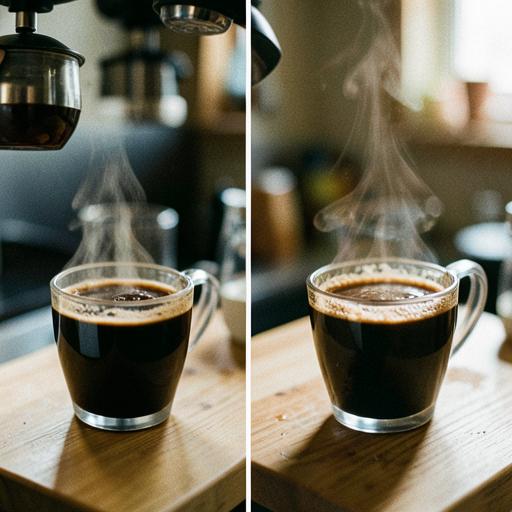
Moreover, the type of coffee bean and roasting process can also impact the antioxidant content in coffee. Darker roasts often have lower levels of antioxidants compared to medium roasts. Therefore, choosing a medium roast coffee might provide a better balance of flavor and health benefits.
In summary, coffee, when consumed in moderation, can be a valuable addition to your diet with potential benefits for liver health. Its antioxidant and anti-inflammatory properties, alongside the effects of caffeine, make it an attractive option for those looking to protect their liver. However, as with any dietary choice, it's crucial to consider personal health conditions and consult with a healthcare provider if you have any concerns. Enjoying coffee as part of a balanced diet might just offer your liver a little extra support.